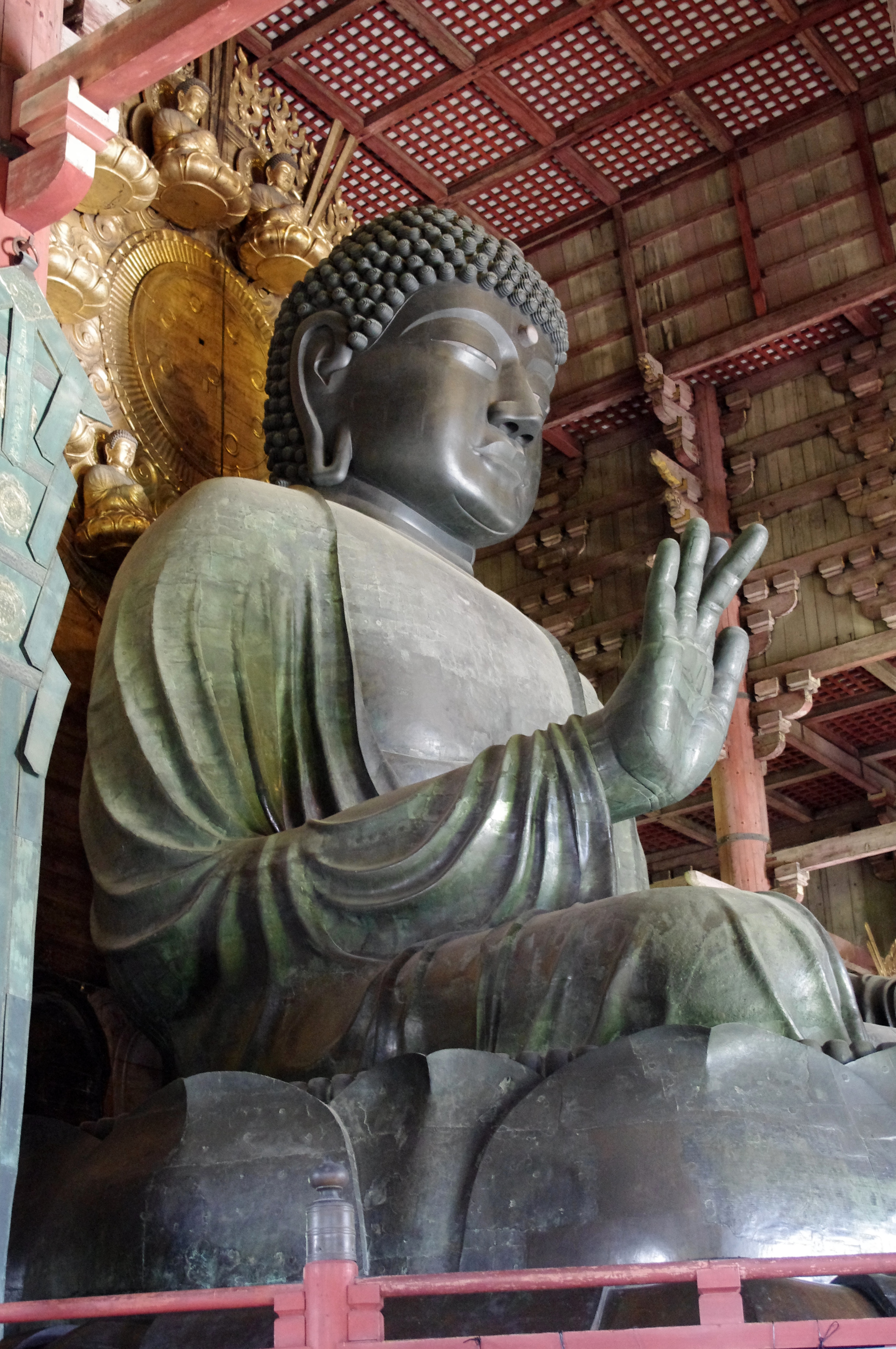
Step into the dim hall and a colossal bronze buddha looks quietly down at you from far above. About 15 meters tall, this is the Great Buddha of Nara. Todai-ji, Nara’s signature World Heritage temple, is a place of grand scale: the world’s largest wooden hall houses one of the world’s largest bronze buddhas, and deer roam the approach. This guide covers the Great Buddha and the mighty guardian statues, why such a giant buddha was built, and how to enjoy Nara’s deer.
In this article
- Overview: a World Heritage temple of Nara
- Highlights and must-see points
- The Great Buddha: why it was built
- The Nandaimon and its guardians by Unkei
- History: through fire and rebirth
- Nara Park and its deer
- Local food of Nara
- Practical visitor information
- In closing
Overview: a World Heritage temple of Nara
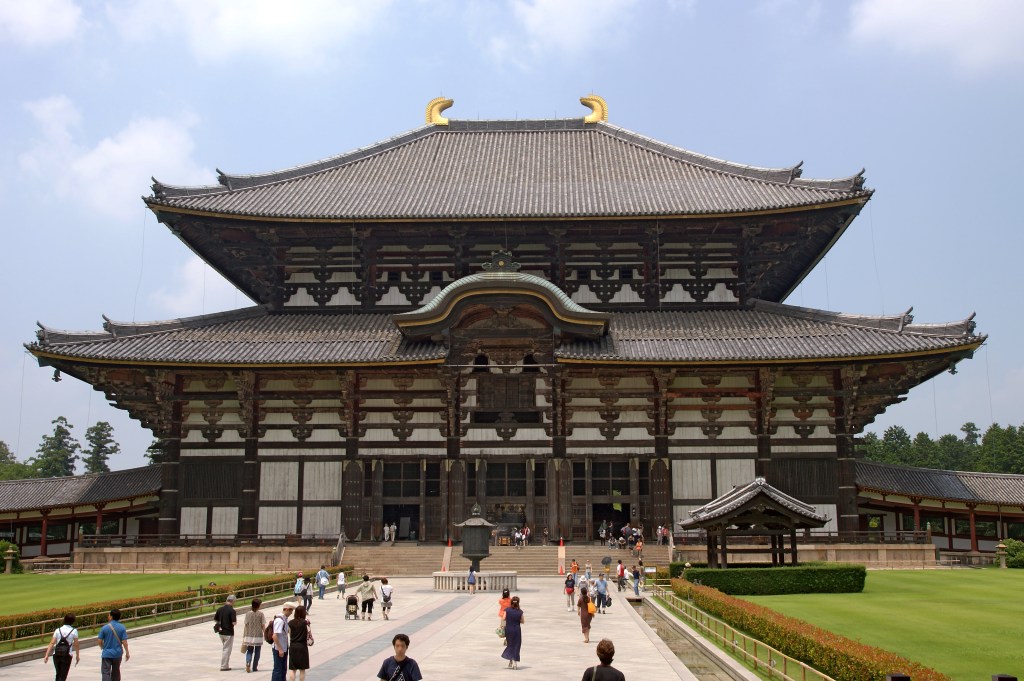
Todai-ji, in Nara Park in the city of Nara, is one of Japan’s great ancient temples, built in the 8th century, and a UNESCO World Heritage Site (Historic Monuments of Ancient Nara) since 1998. Its greatest sight is the Great Buddha of Nara, housed in the Daibutsuden (Great Buddha Hall). Set in the open expanse of Nara Park, the approach is greeted by wild deer, blending historic architecture with a laid-back, deer-strewn scene.
Highlights and must-see points
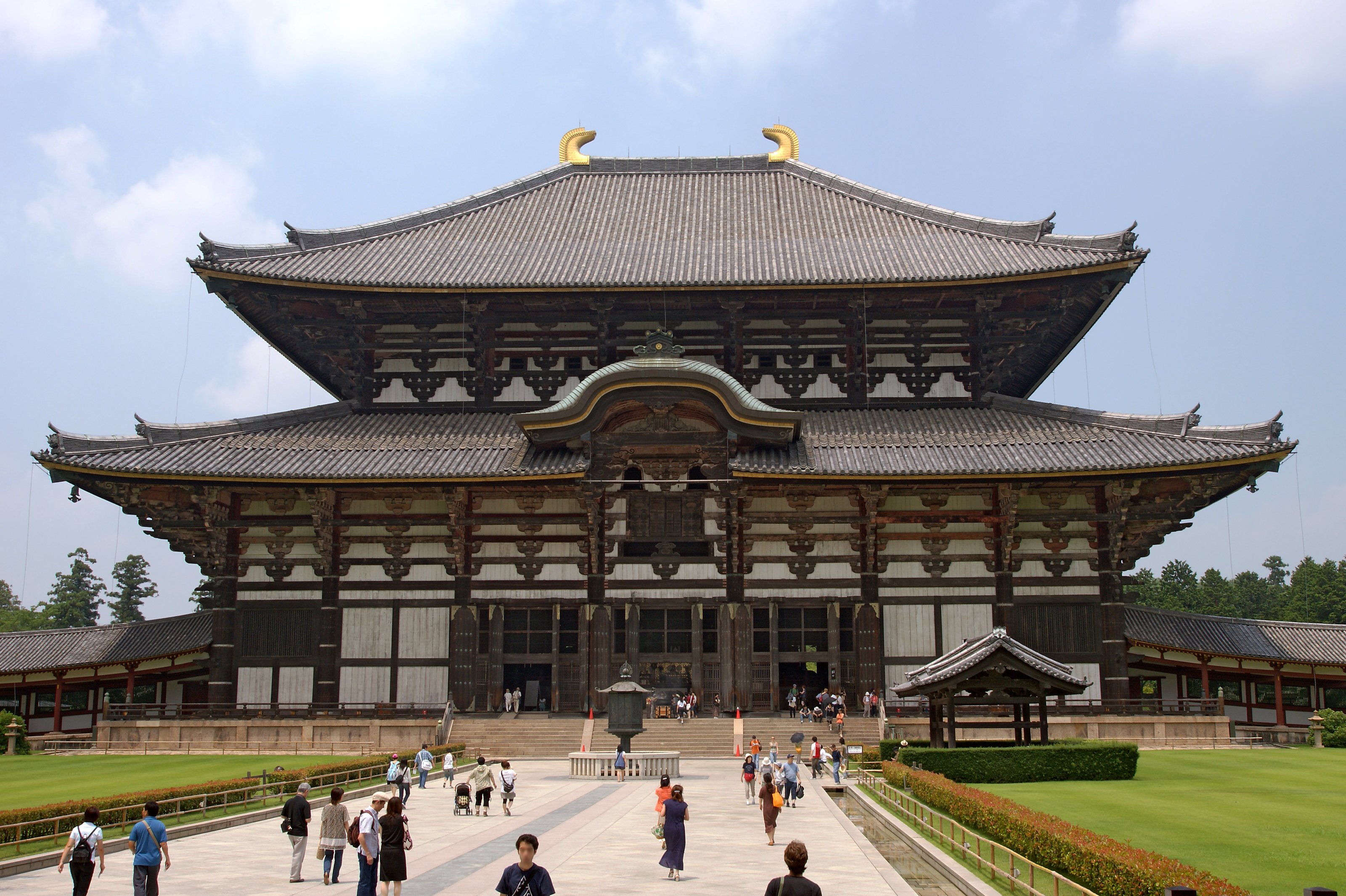
Most visitors are first overwhelmed by the size of the Daibutsuden itself — the current building is one of the largest wooden structures in the world, about 48 meters tall — inside which sits the giant gilt-bronze Buddha.
Don’t miss, either, the “nostril pillar” at the back of the hall: one pillar has a rectangular hole said to be the same size as the Great Buddha’s nostril, and squeezing through it is believed to bring good luck and wisdom — a favorite with children and the nimble.
The Great Buddha: why it was built
The Buddha’s formal name is Vairocana (Rushana), the buddha said to illuminate the entire universe. Why build such a giant? In the Nara period, the country was rocked by a great smallpox epidemic, disasters, and unrest. Grieving over this, Emperor Shomu resolved to build the Great Buddha, hoping the buddha’s power would save the people and bring the nation peace.
Trivia — how big is it? The Buddha is about 15 meters tall and weighs around 500 tons, among the largest bronze buddhas in the world. With the technology of the time, it was cast in as many as eight separate pours, and the body alone took about three years, completed in 752 — a truly national undertaking that gathered people and resources from across the land.
The Nandaimon and its guardians by Unkei
On the way to the hall, you pass the huge Nandaimon (Great South Gate). About 25 meters tall, it is flanked by muscular guardian statues — the Nio (also called Kongorikishi), a pair that guard the temple. Their almost-moving power is considered one of the peaks of Japanese sculpture.
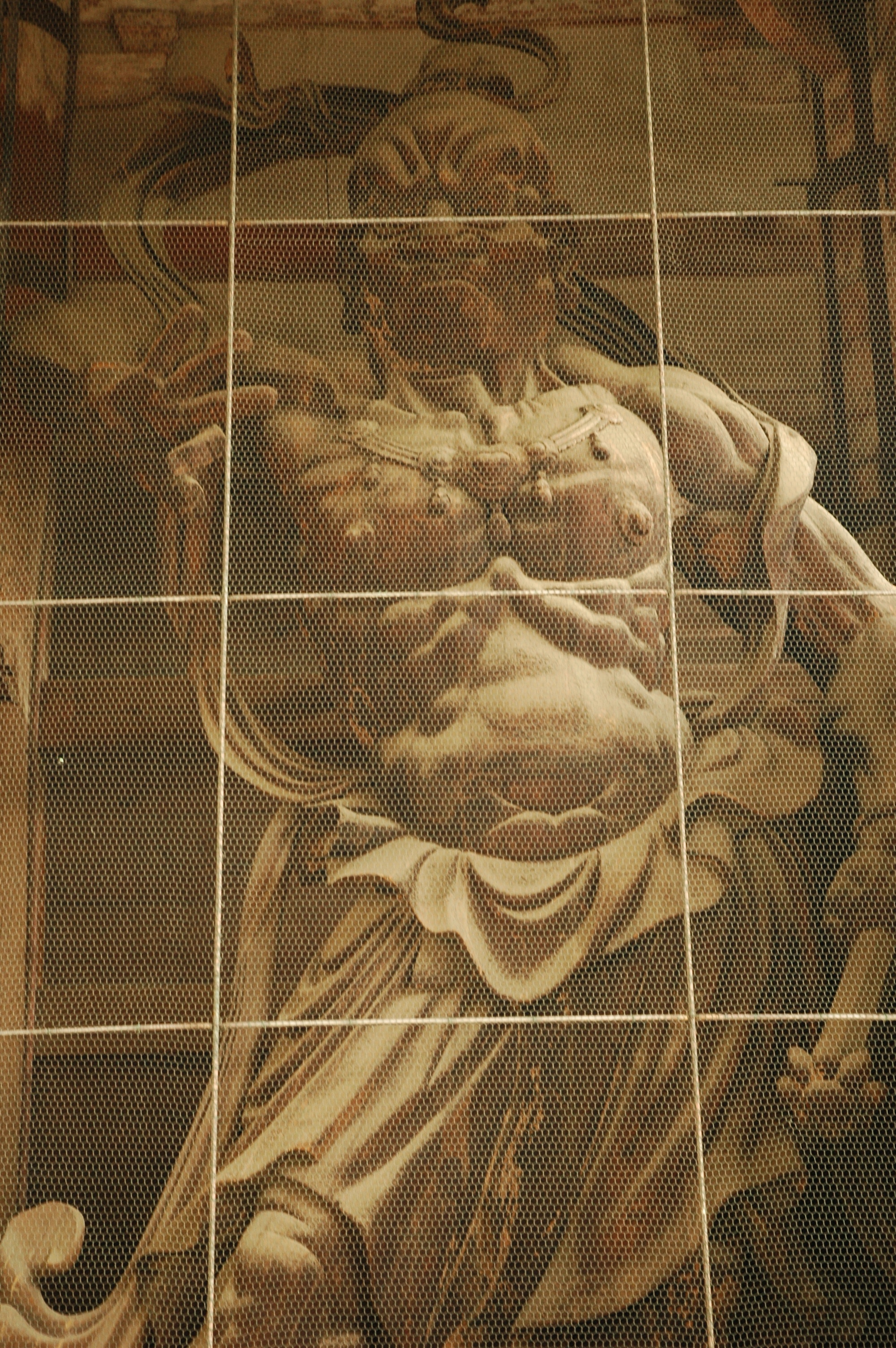
These two figures were carved by the great Kamakura-period sculptor Unkei and his school, including Kaikei — a large team said to have completed them in only about 69 days. You can almost feel the breath of sculptors from 800 years ago.
History: through fire and rebirth
Todai-ji was struck by two great fires in its long history — in the civil war of the late Heian period (1180) and the wars of the Sengoku era (1567). Each time, the Buddha and its hall were badly damaged and rebuilt by human hands. The present Daibutsuden dates to 1709 and is actually a little smaller than the original, yet it remains one of the largest wooden buildings in the world. So the Buddha and hall before you are also a symbol of prayer and revival, burned and reborn again and again over more than 1,200 years.
Nara Park and its deer
The first surprise on the approach is the many deer wandering freely. More than 1,000 wild deer live in Nara Park, long cherished as messengers of the gods. You can buy shika-senbei (deer crackers) to feed them. Amusingly, some deer even bow to ask for a cracker. But show a cracker and they swarm, so feed quickly — and keep maps and tickets away, as they’ll eat paper too.
Local food of Nara
Between visits, enjoy Nara’s local food. The specialty kakinoha-zushi (pressed sushi wrapped in persimmon leaves) is mild, easy to eat, and popular as a souvenir. Nearby shops also offer freshly made sweets like yomogi (mugwort) mochi, famous for lively pounding demonstrations. Play with the deer, bow to the Buddha, and bite into a local treat — a day only Nara can offer.
Practical visitor information
Access is about a 20–30 minute walk from Kintetsu Nara or JR Nara Station through Nara Park; buses are also available. There’s an admission fee for the Daibutsuden (a few hundred yen). Early morning is best, when there are fewer people and deer and you can face the Buddha in quiet. Nearby are Kasuga Taisha shrine and Kofuku-ji temple, so plan a half to full day for Nara Park as a whole. Check official information for hours and fees.
In closing
Todai-ji’s appeal is not simply its size. Born from Emperor Shomu’s wish to save a nation suffering from plague and disaster, built with the strength of the whole country, and revived again and again from repeated fires — more than 1,200 years of prayer are held in that Buddha. Knowing the background, the buddha’s face and the guardians’ power feel different. Walk the deer-strewn approach to meet the Great Buddha in the quiet of early morning — consider adding a day in Nara like this to your next trip.


コメントを残す