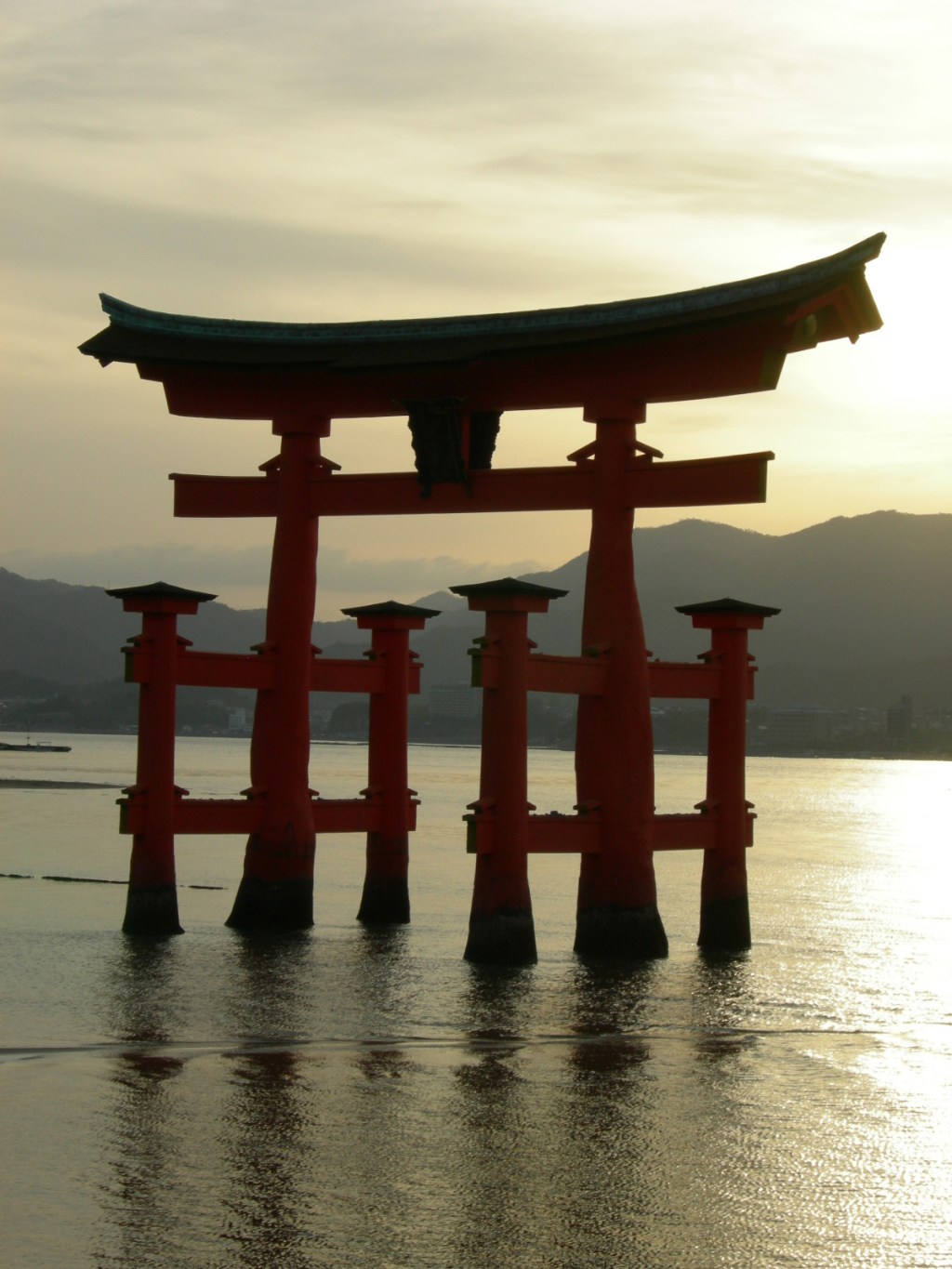
A great vermilion torii gate standing alone on the blue sea — it is one of Japan’s most famous views. This is Itsukushima Shrine on the island of Miyajima in Hiroshima. Even the shrine buildings are built out over the water, so at high tide they seem to float on the sea. The real charm of this World Heritage shrine, it turns out, lies in the tides. This guide covers the Great Torii and the over-water halls, why it was built on the sea, and the island’s food — everything that makes Itsukushima more fascinating.
In this article
- Overview: a World Heritage shrine on the sea
- Highlights and must-see points
- Two views shaped by the tides
- The deities: three goddesses of the sea
- History: Taira no Kiyomori and the sacred island
- Enjoying the island: deer and Mount Misen
- Gate-town food: momiji manju and oysters
- Practical visitor information
- In closing
Overview: a World Heritage shrine on the sea
Itsukushima Shrine sits on Miyajima (formally “Itsukushima”), an island in Hiroshima Bay, and was registered as a UNESCO World Heritage Site in 1996. Its defining feature is that both the torii and the shrine halls are built out over the sea. When the tide comes in, the buildings seem to float; when it goes out, sand appears and you can walk all the way to the base of the gate — a rare shrine that shows a completely different face depending on the hour.
Highlights and must-see points
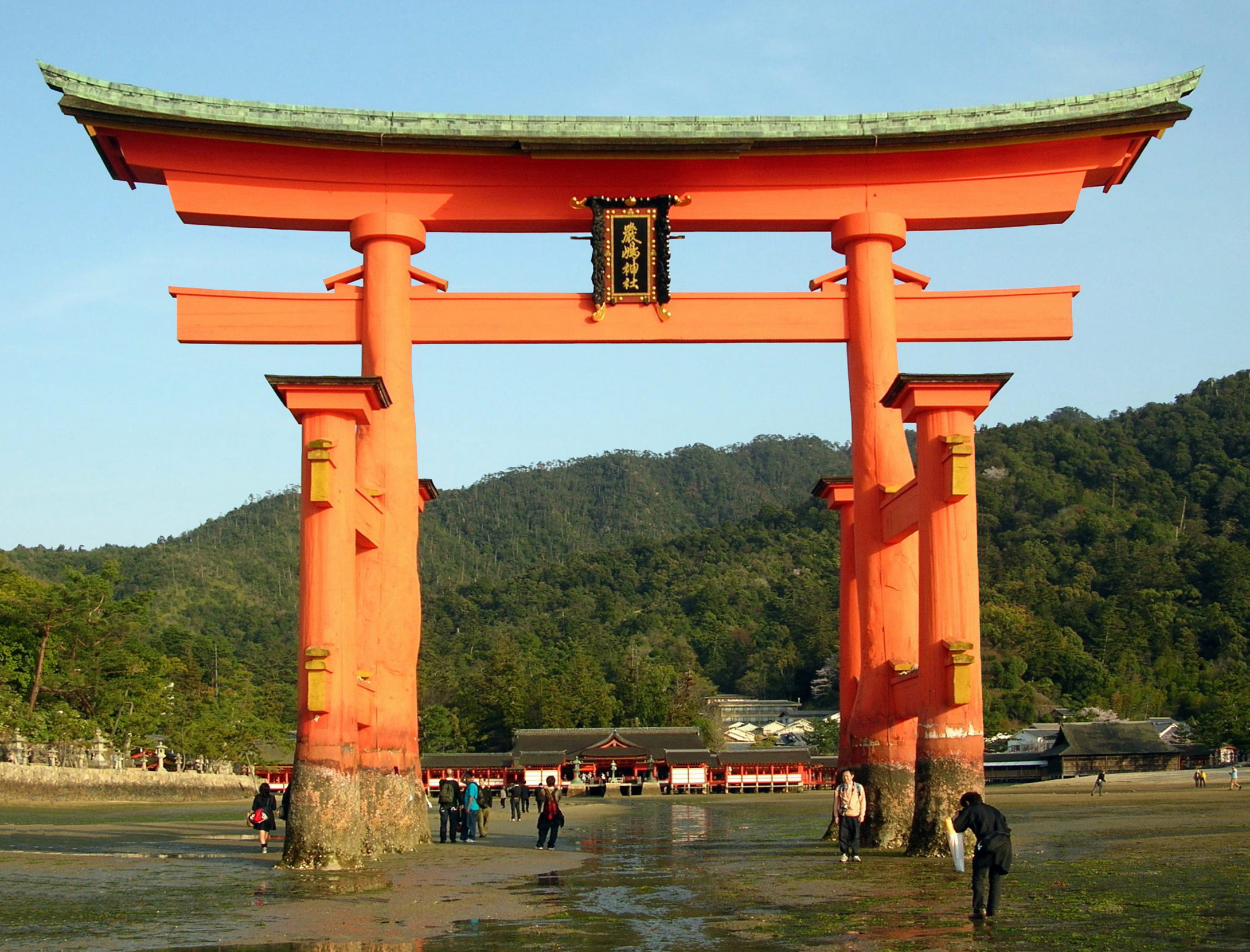
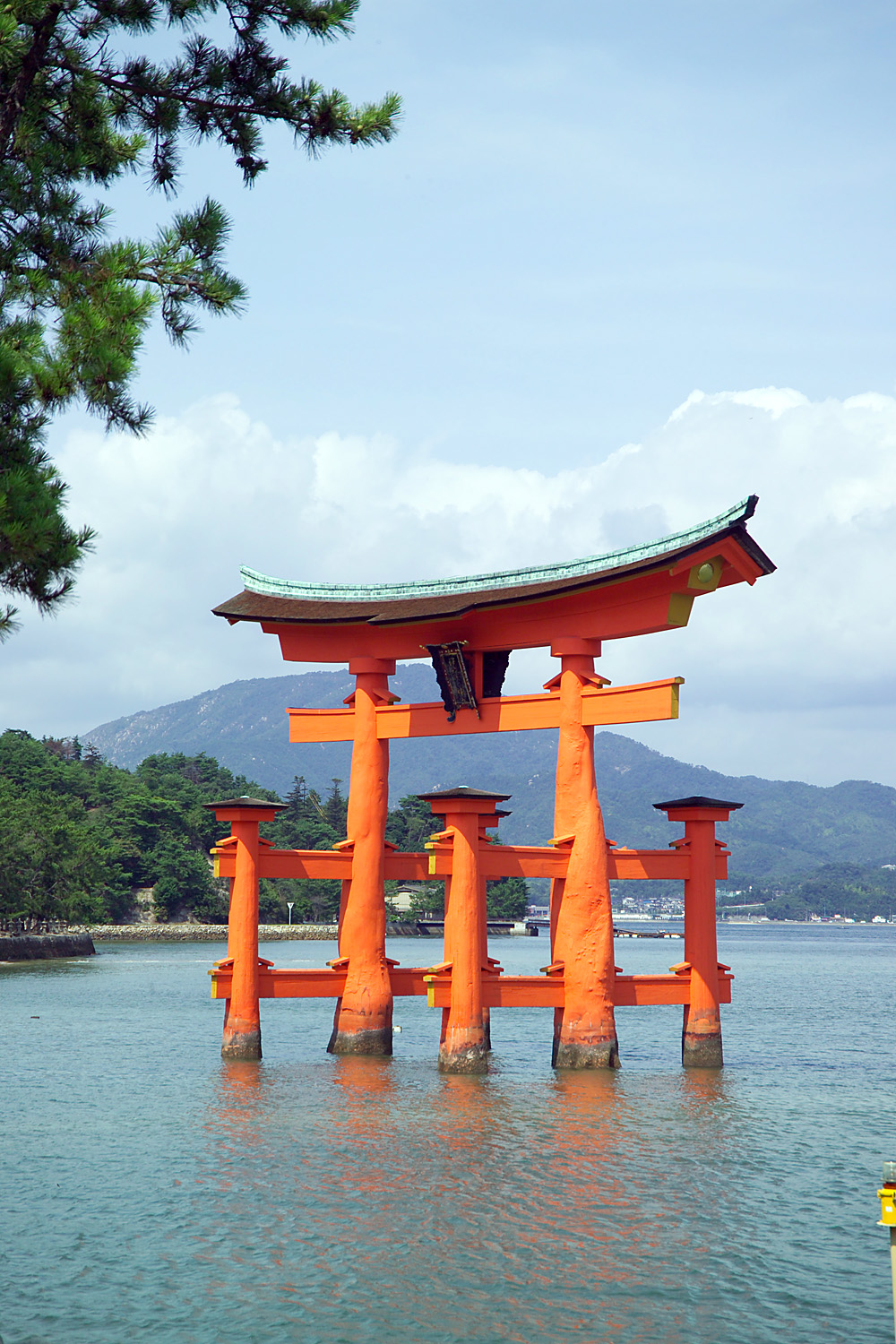
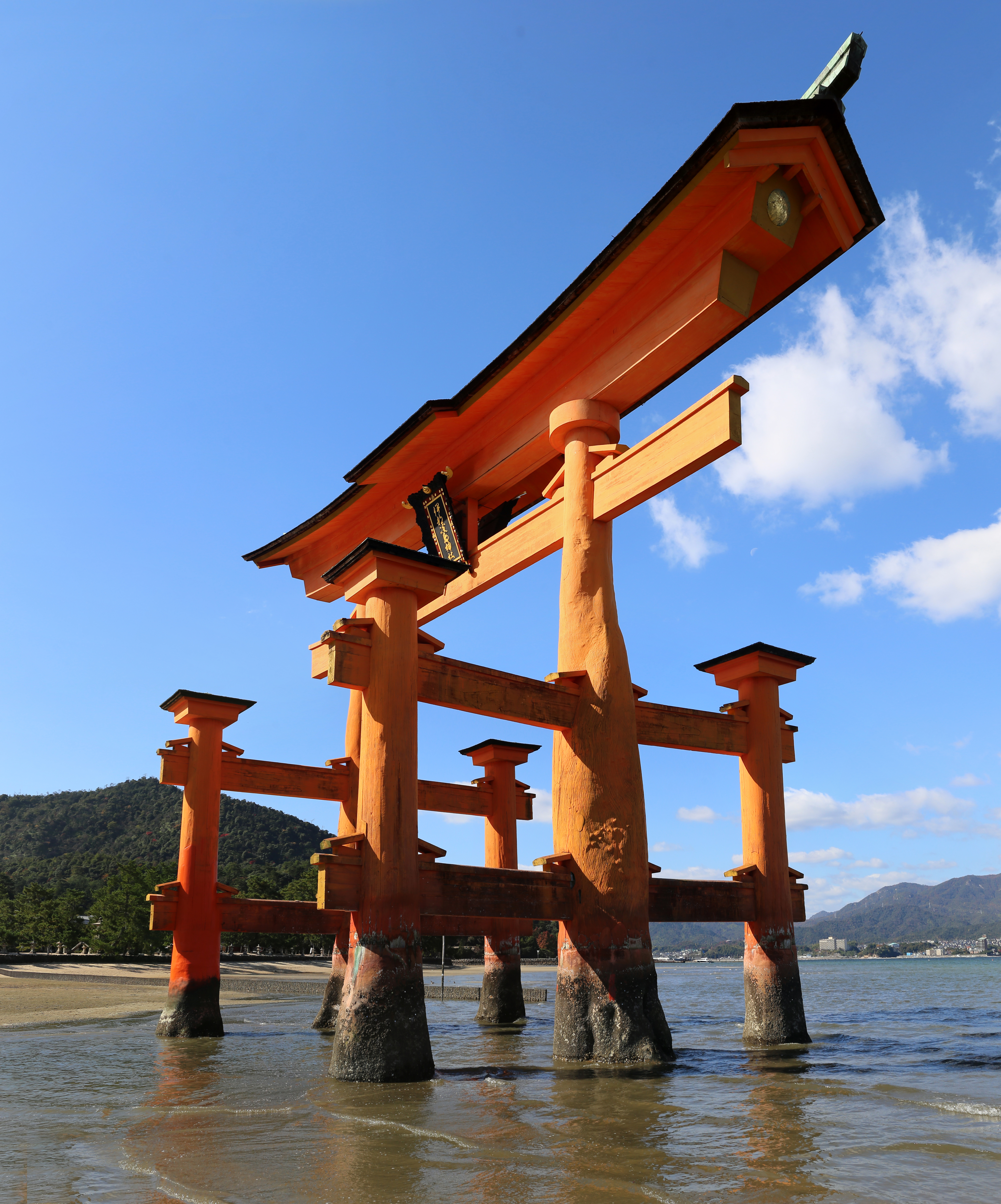
The star is the Great Torii (Otorii) standing in the sea, a vermilion gate about 16.6 meters tall and the symbol of Miyajima. Many visitors cheer when it comes into view from the ferry.
The shrine buildings themselves are a highlight, too. Long vermilion pillars and corridors stretch out over the sea in the shinden-zukuri style (an elegant architecture modeled on the mansions of Heian-era aristocrats), and at high tide seawater flows in beneath the floor. The reflection of vermilion on the water is a photographer’s dream.
Two views shaped by the tides
The single most important thing when visiting Itsukushima is the tide schedule. In the same place, you can enjoy two completely different scenes.
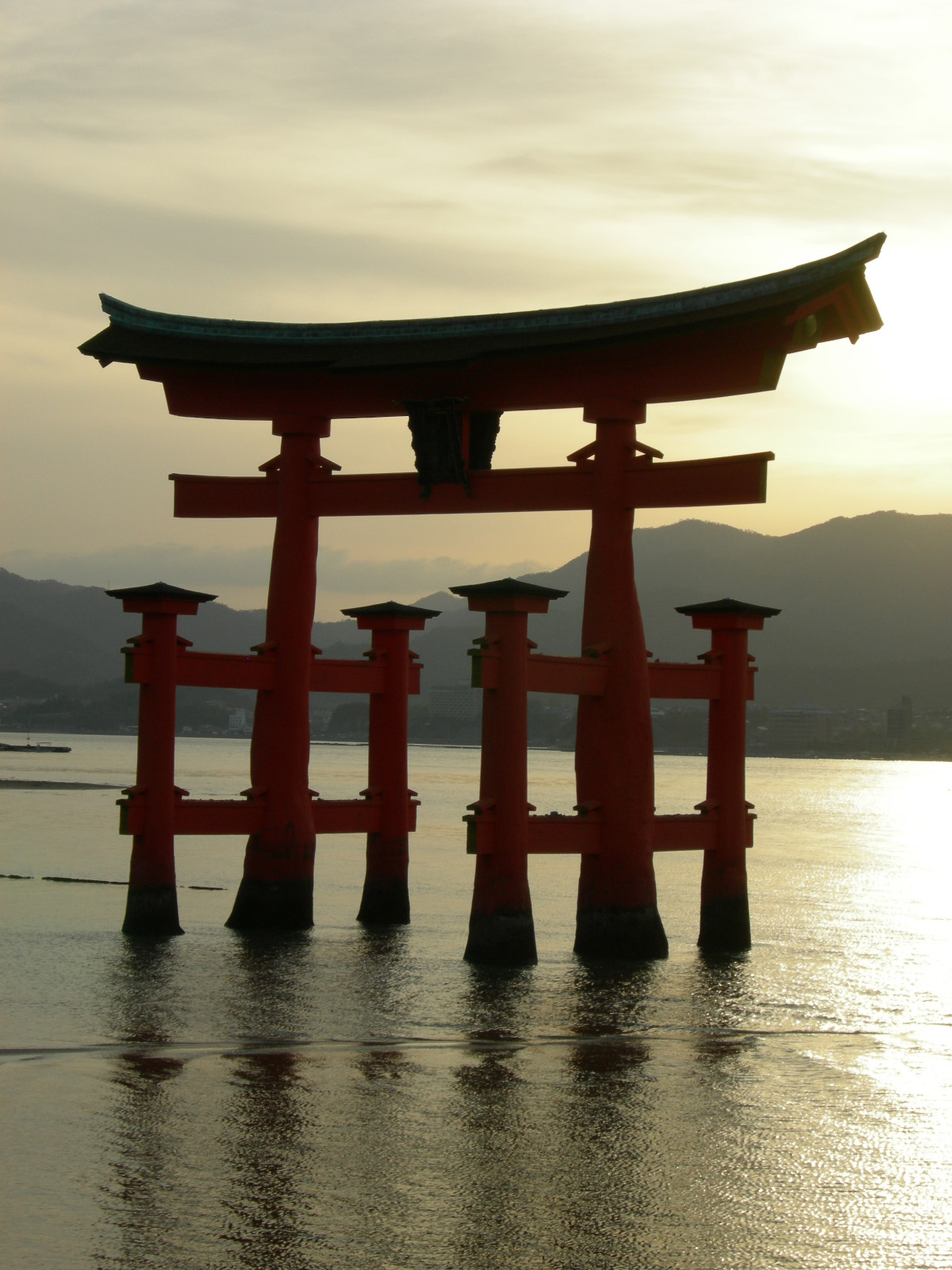
Trivia — high tide or low tide? At high tide, the torii and halls appear to float on the sea — the classic, dreamlike view. At low tide, the water pulls back and you can walk across the sand right up to the base of the Great Torii (and see its huge pillars up close). Tides rise and fall twice a day, shifting about 50 minutes later each day, so always check a tide table for your visit date. With time to spare, it’s worth staying a few hours to catch both.
The deities: three goddesses of the sea
Itsukushima enshrines the three Munakata goddesses, deities of the sea and safe passage, including Ichikishima-hime-no-mikoto. Because they are gods of the sea, the halls too were built upon the water — seen this way, the shrine’s strange location begins to make sense.
History: Taira no Kiyomori and the sacred island
Itsukushima Shrine is said to have been founded in the late 6th century (593). The one who shaped it into the magnificent over-water shrine we know was the late-Heian warlord Taira no Kiyomori. Around 1168, at the height of his power, Kiyomori worshipped here deeply and rebuilt it on a grand scale, creating the model for its present form. The Great Torii in the sea has been rebuilt several times since; the current one dates to 1875.
Why build the halls over the sea in the first place? Miyajima was long revered as an island that is itself a god (a sacred island), a place where people hesitated to wound or defile the ground. So the halls were raised over the water rather than on land, and pilgrims once approached the gate by boat — a device, it is said, to protect the island’s sanctity.
Enjoying the island: deer and Mount Misen
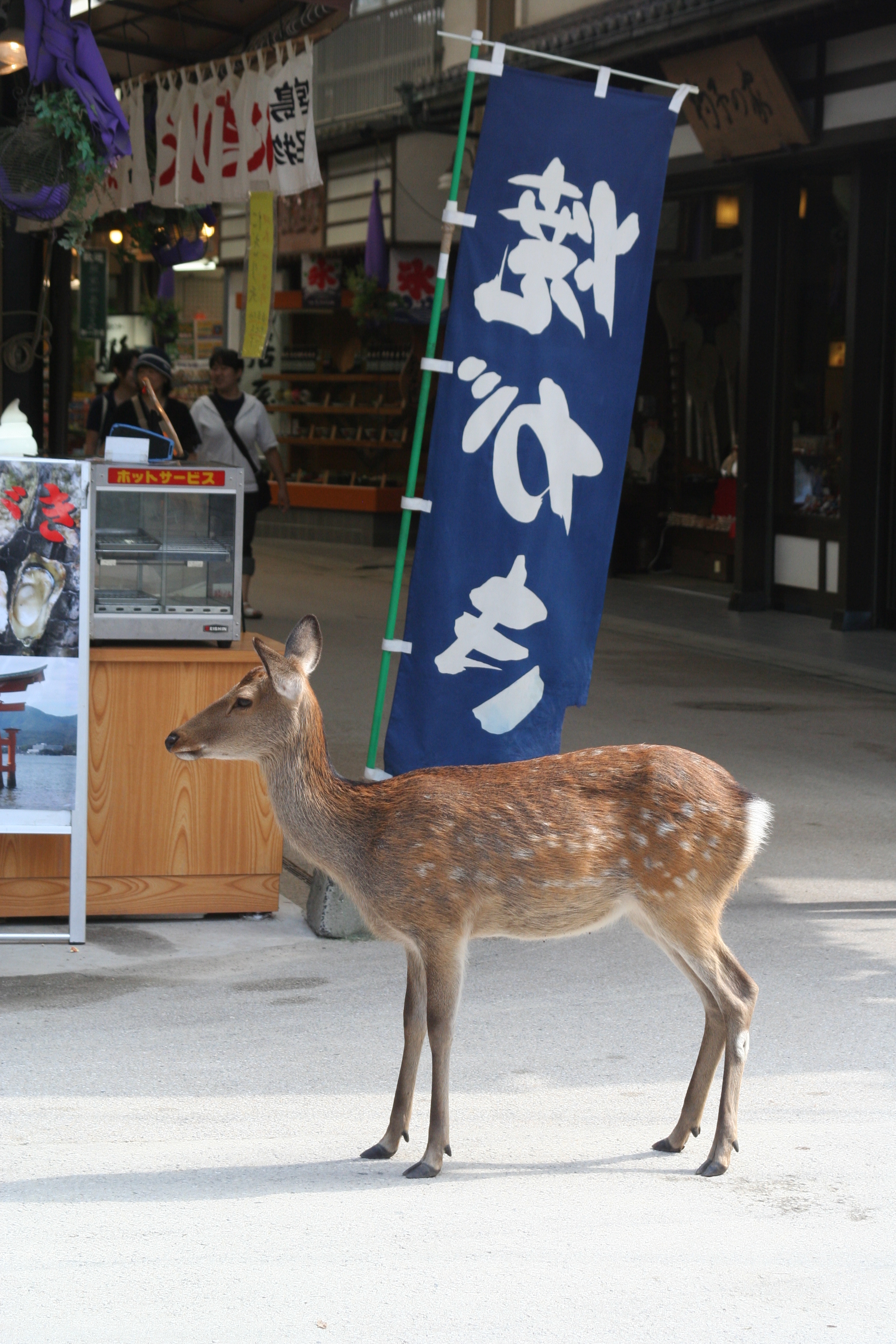
The first surprise on landing is the wild deer wandering freely everywhere. They are used to people, but they’ll come after paper and food, so take care when snacking (they will snatch it).
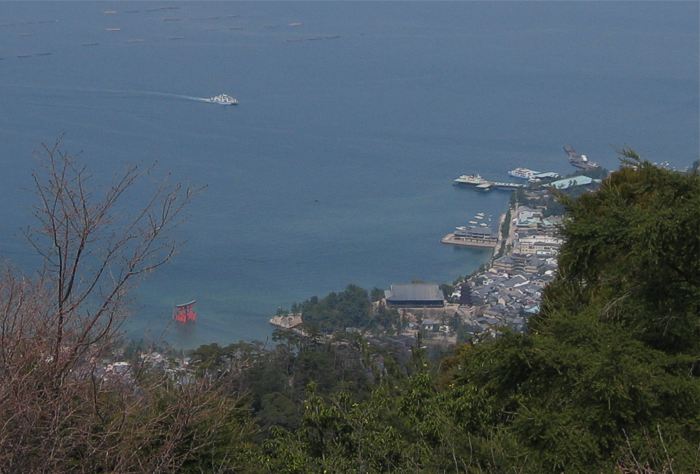
With time to spare, head for Mount Misen (about 535 meters), rising at the island’s center. A ropeway carries you partway up, and from near the summit a grand panorama of the islands of the Seto Inland Sea opens out. At its foot is the beautiful temple Daisho-in, so you can feel how the whole island — shrine and mountain alike — is a place of worship.
Gate-town food: momiji manju and oysters
The Omotesando shopping street is a treasure trove of snacks. Miyajima’s signature is momiji manju, a maple-leaf-shaped cake — red bean paste is classic, but there are also custard, cheese, and even freshly deep-fried “age-momiji” versions.
Hiroshima is famous for oysters, and eating grilled oysters in the shell here is a port-town pleasure. Another local dish is anago-meshi, plump grilled conger eel over rice. Seafood and sweets alike — that’s the appeal of Miyajima.
Practical visitor information
For access, take the JR Sanyo Line from Hiroshima Station to Miyajimaguchi (about 25–30 minutes), then a ferry of about 10 minutes; the shrine is roughly a 10-minute walk from the pier. A Miyajima visitor tax (100 yen) is collected with the ferry ticket. The best time is early morning — before the day-trip crowds arrive on the 9–10 a.m. ferries, you can enjoy the quiet. The cherry blossoms (late March–April) and autumn leaves (November) are especially beautiful; allow a full day if you’ll climb Mount Misen, or a half-day for the shrine and snacking. Above all, don’t forget to check the tide table for high and low tide before you go.
In closing
The appeal of Itsukushima is not only a beautiful gate. Revering the island itself as a god, building the halls over the sea so as not to defile the ground, and shifting its face with every rise and fall of the tide — it is a shrine unlike any other, where nature and faith are one. Visit knowing the tide times, and both the floating gate and the giant pillars you can walk up to become once-in-a-lifetime sights. Bite into a momiji manju on a deer-strolled lane, and look up at the vermilion gate from a boat. Consider adding a day on Miyajima like this to your next trip.


コメントを残す