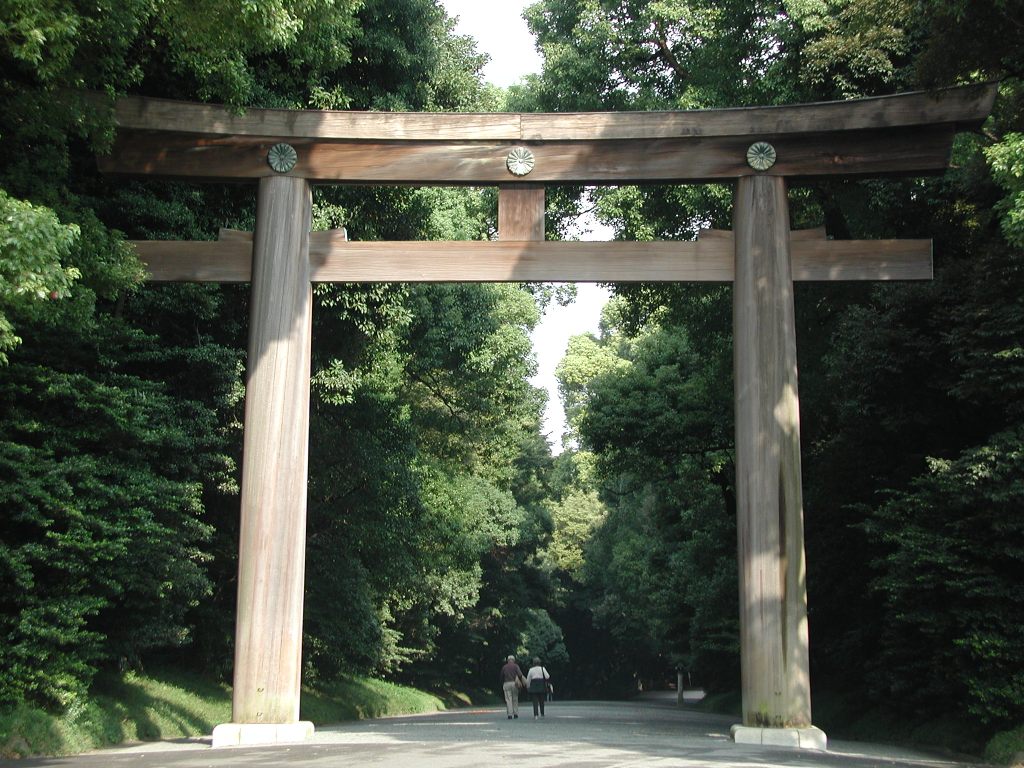
Step off the train at Harajuku, pass through a great torii, and you enter another world: the city vanishes and a dense green forest unfolds. This is Meiji Jingu in Shibuya, Tokyo, famous for drawing Japan’s largest number of New Year worshippers. Surprisingly, this lush forest is not natural but man-made — planted about a century ago. This guide covers the giant torii and the sake and wine barrels, the astonishing story of the forest, and the joys of a visit.
In this article
- Overview: Tokyo’s forest shrine
- Highlights and must-see points
- The deities: Emperor Meiji and Empress Shoken
- The forest: a man-made eternal woodland
- The joys of a visit: New Year, weddings, power spots
- Around the shrine: Harajuku and Yoyogi Park
- Practical visitor information
- In closing
Overview: Tokyo’s forest shrine
Meiji Jingu sits in Shibuya, Tokyo, right beside the youth district of Harajuku. Established in 1920, it is a relatively new shrine, yet it is wrapped in a vast forest of about 70 hectares and is one of Tokyo’s most-visited shrines. The quiet, clear air feels impossible in the middle of a metropolis — and that a forest and solemn halls like this stand right next to the skyscrapers is Meiji Jingu’s great charm.
Highlights and must-see points
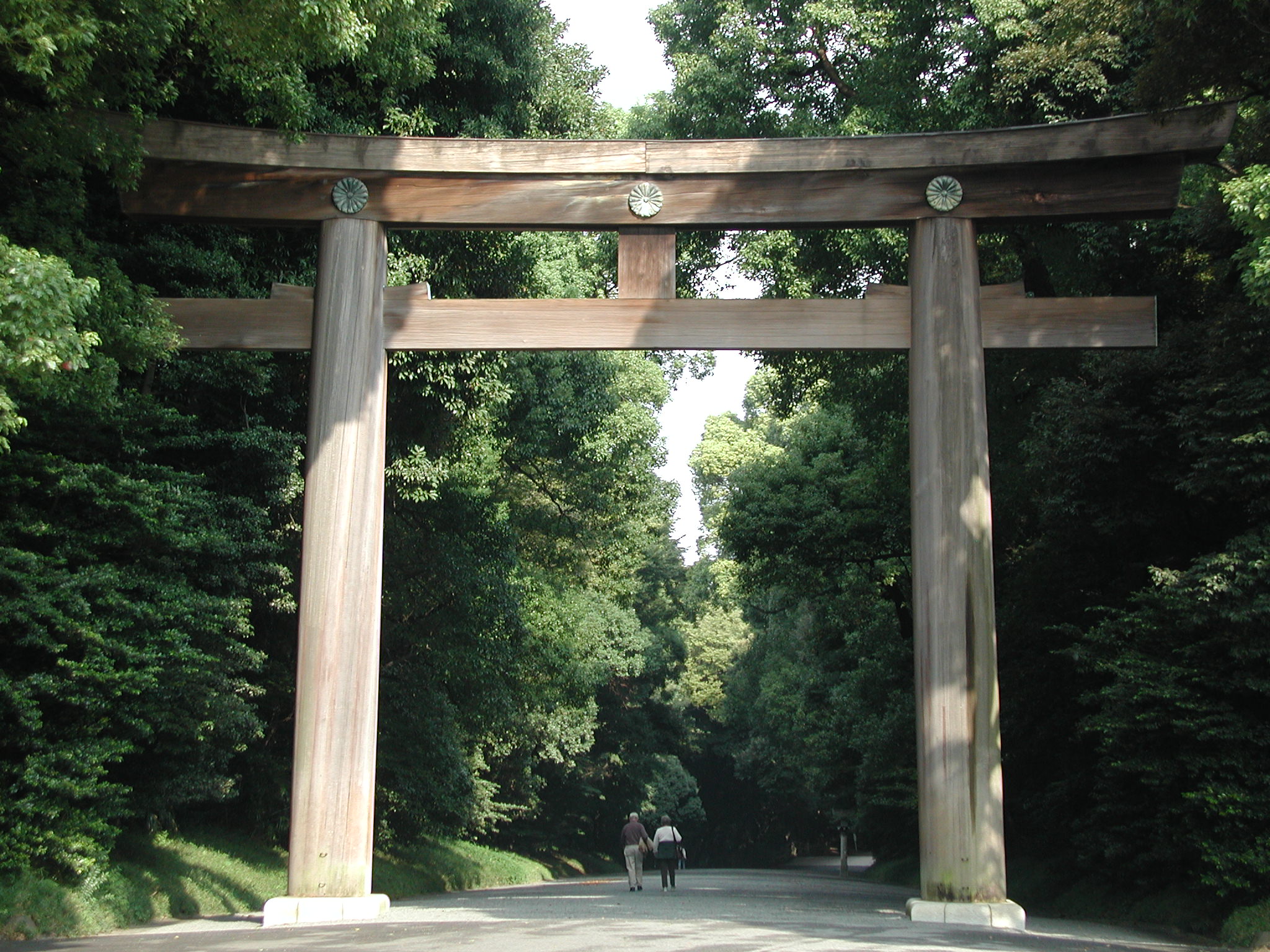
Walking the approach, the first thing to catch your eye is the great torii where the paths meet — one of Japan’s largest wooden torii, about 12 meters tall, made from cypress over 1,500 years old.
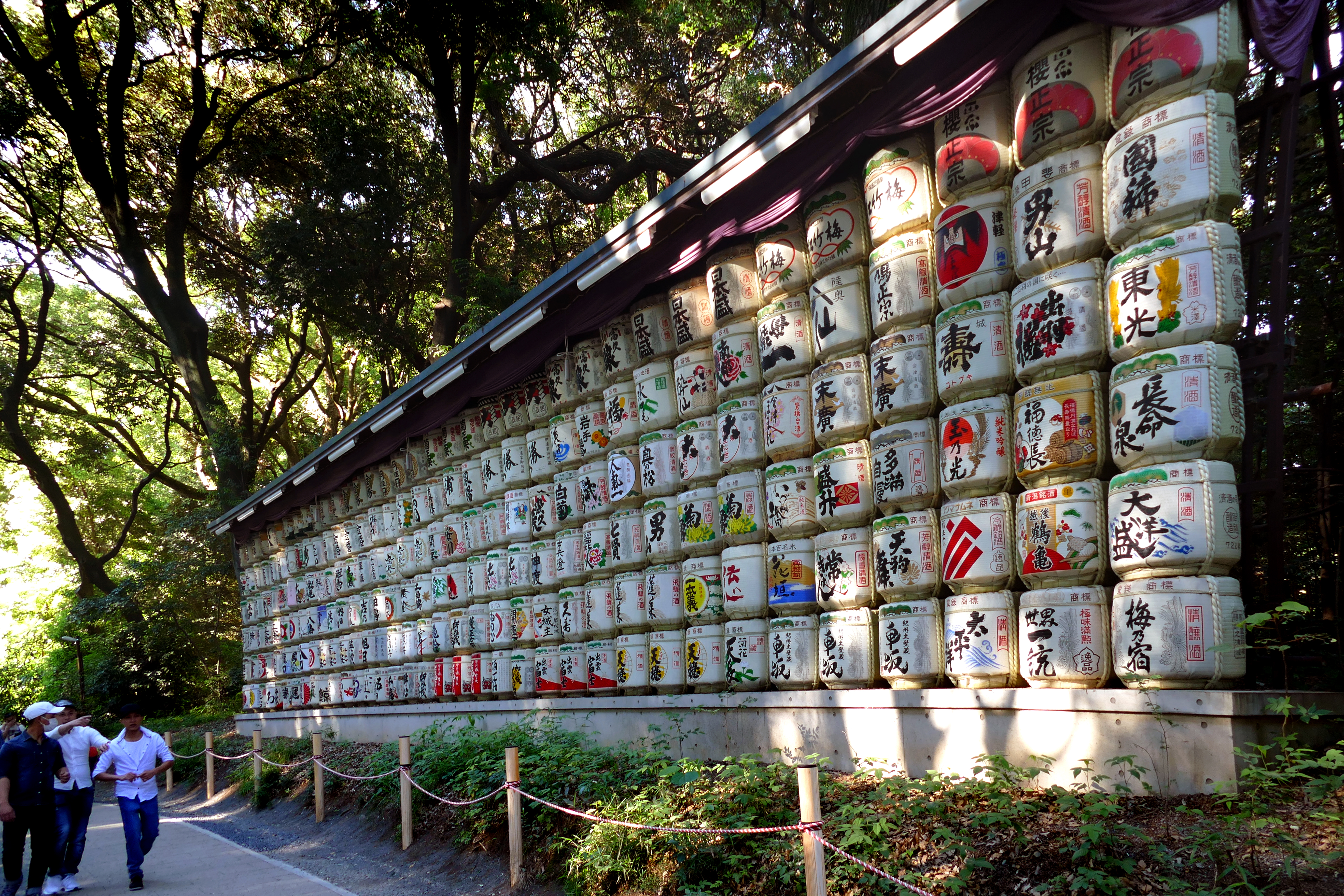
Another landmark along the approach is the wall of stacked sake barrels, offered to the deities by breweries across Japan. Intriguingly, across from them stand barrels of wine: Emperor Meiji is said to have loved French wine, and in that connection, wine from the Burgundy region of France is offered to the shrine. Japanese sake and French wine side by side is a sight unique to Meiji Jingu.
The deities: Emperor Meiji and Empress Shoken
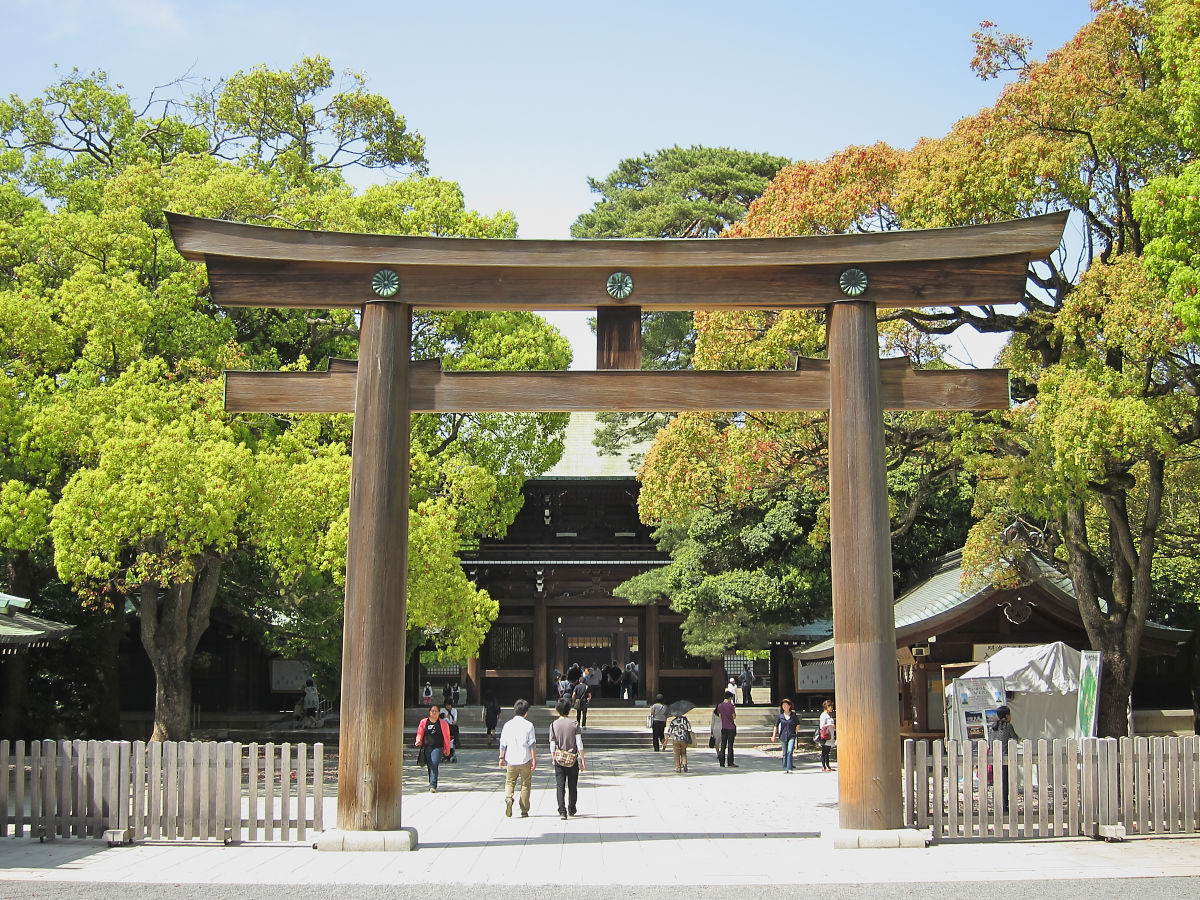
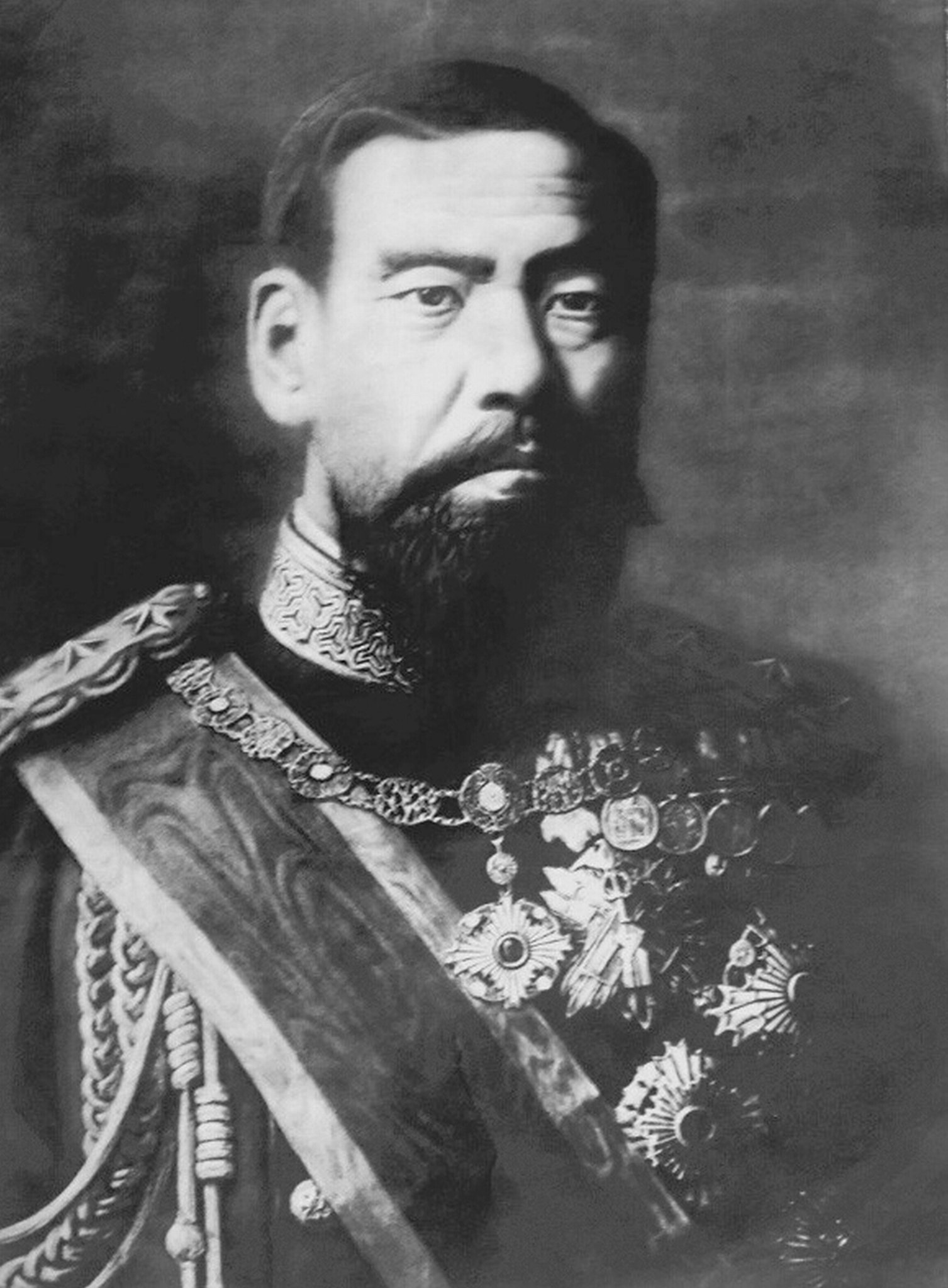
Meiji Jingu enshrines Emperor Meiji (1852–1912) and his consort, Empress Shoken. Emperor Meiji led the “Meiji era,” when Japan transformed into a modern nation. After the emperor and empress passed away, the shrine was founded at the wish of people nationwide to honor and enshrine their spirits. Unlike many shrines that enshrine ancient gods, it enshrines figures from a relatively recent era.
The forest: a man-made eternal woodland
The most surprising thing about Meiji Jingu is the true nature of its forest. It looks like dense natural woodland, but it is entirely man-made.
Trivia — building a forest in the heart of Tokyo. For its founding, about 100,000 trees (of more than 350 species) were donated from across Japan, and around 110,000 young volunteers helped plant them. What’s more, the designers are said to have chosen trees so that the woodland would renew itself over about 150 years and continue as an “eternal forest” without human tending. This deep green is the fruit of a grand plan made a century ago — knowing it, each tree looks completely different.
The joys of a visit: New Year, weddings, power spots
Meiji Jingu is famous for drawing Japan’s largest number of hatsumode (first shrine visit of the New Year) worshippers — over 3 million in just the first three days of January. If you’re in Tokyo over New Year, it’s a special place to feel the energy of a Japanese New Year.
On an ordinary day, you may encounter a traditional Shinto wedding procession in the grounds; a bride in white and her party in kimono walking slowly is a beautiful sight. The grounds also hold popular “power spots,” such as the “married” camphor trees (Meoto Kusu) known for matchmaking, and Kiyomasa’s Well, a spring in the paid inner garden.
Around the shrine: Harajuku and Yoyogi Park
Part of Meiji Jingu’s appeal is enjoying two opposite sides of Tokyo side by side. Step out of the quiet forest and you’re in Harajuku, the heart of youth culture, with the colorful sweets and fashion of Takeshita Street. On the other side lies the spacious Yoyogi Park. Solemn worship and lively street-walking, all in one — a wonderfully greedy area.
Practical visitor information
Access is excellent: right by JR Yamanote Line’s Harajuku Station or the Meiji-jingumae subway station. Worship is free (the inner garden and treasure museum charge admission). Opening and closing times change monthly with sunrise and sunset, so check ahead. Early morning is best, when it’s quiet and you can have the clear forest almost to yourself. Pair it with Harajuku and Yoyogi Park for a half-day outing.
In closing
Meiji Jingu is more than just an urban shrine. Born to enshrine the emperor who built modern Japan, and designed as an “eternal forest” from donated trees and the planting of over 100,000 saplings — a grand story supports this stillness. Knowing the background, the green amid the city’s bustle and the row of sake and wine barrels feel different. Walk the clear forest at dawn, then head into Harajuku’s bustle afterward. Consider adding a day in Tokyo like this to your next trip.


.jpg)

コメントを残す