Ise Jingu is the sacred place Japanese people have long dreamed of visiting at least once in a lifetime. In the quiet of early morning, you walk stone paths wrapped in cedars centuries old, purify your hands in the clear Isuzu River, and afterward stroll the old town by the gate, savoring Ise udon and akafuku sweets. Here you find both stillness and liveliness. And the main sanctuary is rebuilt from scratch every 20 years, so it is always brand new. This guide walks the route of a visit, sharing the highlights, history, and food that make Ise far more fascinating once you know them before you go.
In this article
- Overview: why it is called the spiritual home of Japan
- Highlights and must-see points
- The two main sanctuaries and their deities
- The founding story: the journey of Yamatohime
- Enjoying the architecture: yuiitsu-shinmei-zukuri
- Shikinen Sengu: reborn every 20 years
- The joys of a visit: goshuin and Okage Mairi
- Gate-town food: Oharaimachi and Okage Yokocho
- Practical visitor information
- In closing
Overview: why it is called the spiritual home of Japan
Ise Jingu, in Ise City, Mie Prefecture, stands at the very top of Japan’s many shrines. Its formal name is simply Jingu (the Shrine), with no place-name attached. It is not a single building but a vast sacred precinct of 125 shrines in all, centered on the two main sanctuaries.
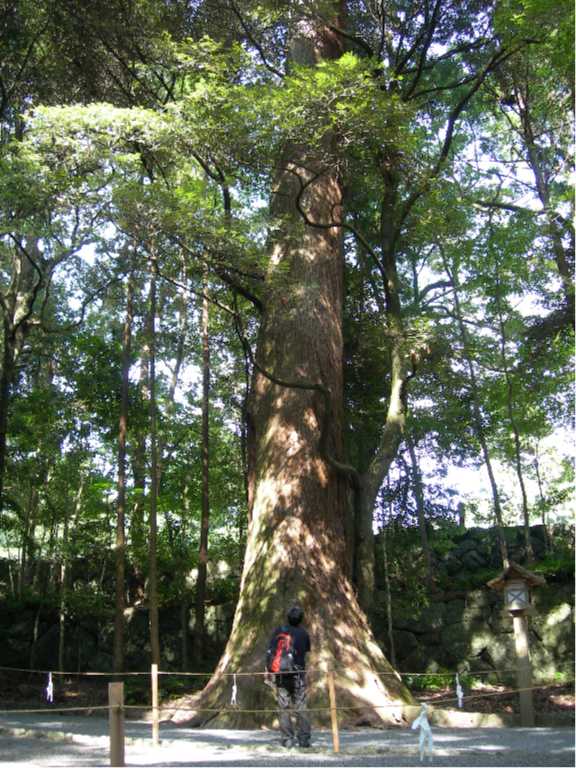
What surprises many visitors is that about 90 percent of the grounds is deep forest. Cedars and cypresses more than 300 years old tower overhead, and the air feels worlds away from any city, almost primeval. This forest sanctuary itself may be Ise’s greatest sight.
Highlights and must-see points
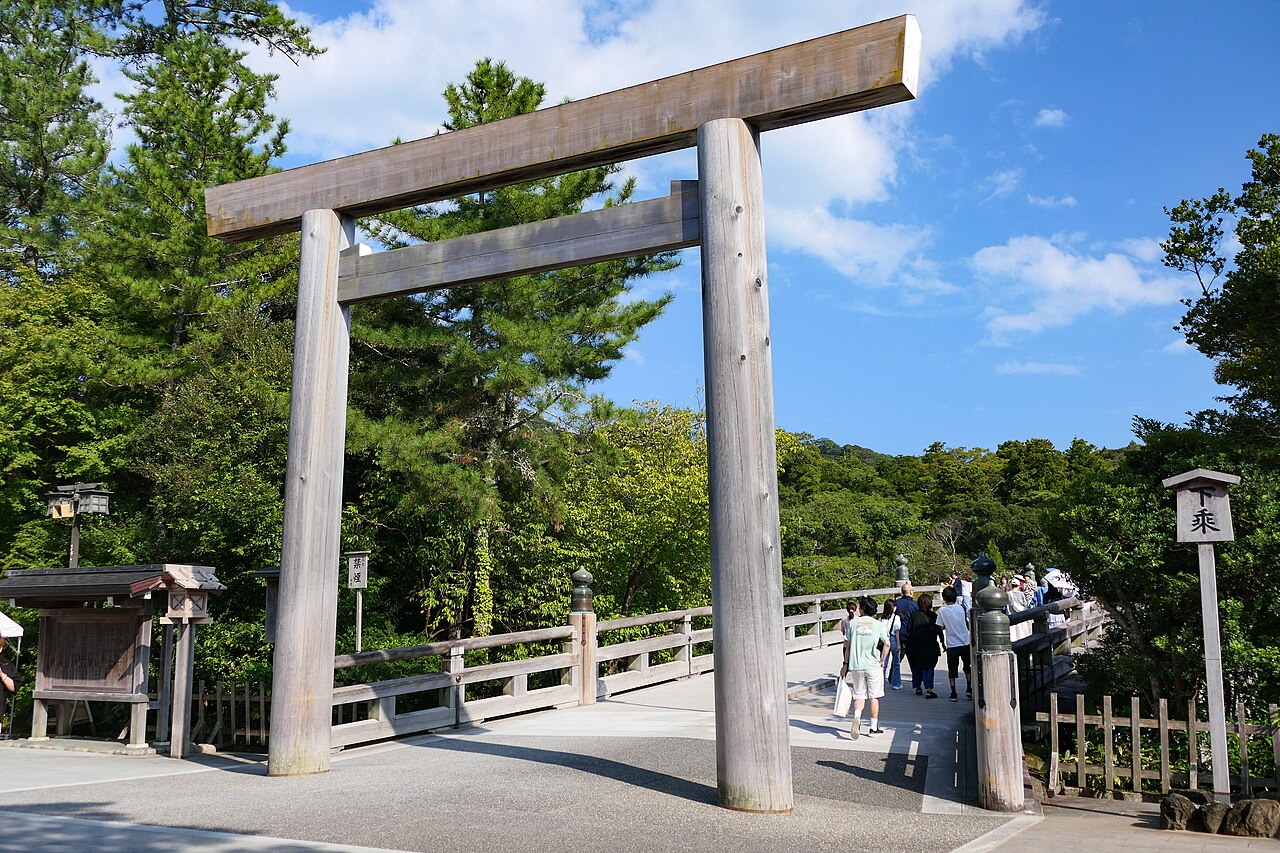
Uji Bridge (Ujibashi) is the wooden bridge at the entrance to the Naiku (Inner Shrine), about 102 meters long, crossing the Isuzu River. It is seen as the boundary between the ordinary world and the sacred realm, and the air changes as you cross. From late November to late January, around the winter solstice, the sunrise seen through the bridge’s torii, where the sun aligns with the center of the gate, is famous with photographers.
At the Mitarashi by the Isuzu River, partway along the approach, you purify your hands in the clear stream. Many say the water is so transparent it feels as if it washes the spirit clean.
Don’t miss the cedar-lined approach, where towering trees make you stand a little straighter just by walking. In the early morning, when only the sound of gravel underfoot breaks the silence, it is a truly special time.
One rule to know: at the main sanctuaries, photography is forbidden from the stone steps upward. The approach, forest, river, and Uji Bridge are fine to photograph, so capture the atmosphere there. This restraint, not photographing, is part of an Ise visit too.
The two main sanctuaries and their deities
Ise’s heart is its two main sanctuaries, the Naiku (Inner Shrine) and the Geku (Outer Shrine). Knowing the enshrined deities changes how the plain wooden sanctuaries feel when you stand before them.
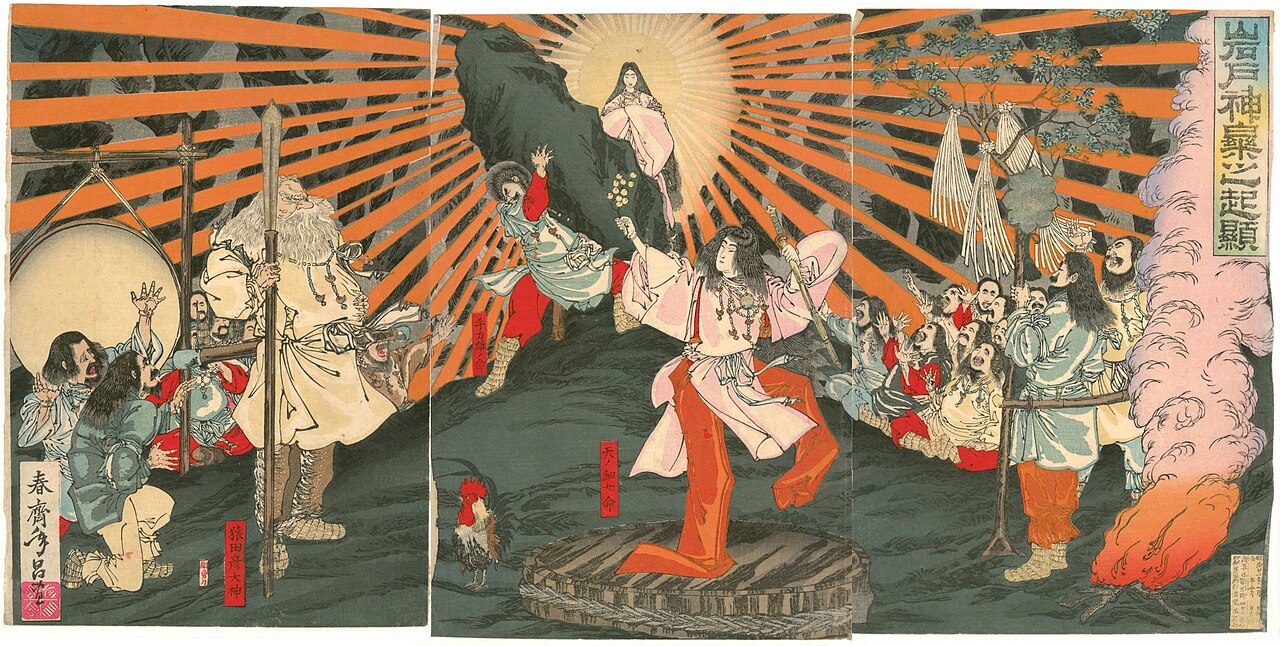
The Naiku enshrines Amaterasu-Omikami, the sun goddess and, in Japanese myth, the ancestor of the imperial family, the most revered deity of all. Her sacred object is the Yata no Kagami (the sacred mirror), one of Japan’s Three Sacred Regalia; myth says the goddess gave it to her descendants in place of her own spirit. Knowing the mirror rests just beyond the fence makes the quiet sanctuary feel special.
The Geku enshrines Toyouke-no-Omikami, goddess of food and industry, said to have been invited here to prepare Amaterasu’s meals. The sun goddess and the goddess who sustains her: the two sanctuaries are bound by this relationship. That is why the old custom is to visit Geku first, then Naiku.
The founding story: the journey of Yamatohime
Why is Amaterasu enshrined at Ise? The Nihon Shoki tells it as one princess’s journey. About 2,000 years ago, Yamatohime-no-mikoto, daughter of Emperor Suinin, wandered in search of an eternal place to enshrine the goddess. When she reached Ise, Amaterasu’s voice is said to have spoken: this land of Ise is a pleasant place where the heart is at peace. The name Isuzu (fifty bells) is said to come from the fifty bells the princess hung to mark the sacred ground.
This is myth and tradition rather than documented history, and the dates vary. Still, walking the riverbank and imagining a princess arriving here two millennia ago turns a simple path into the stage of a story.
Enjoying the architecture: yuiitsu-shinmei-zukuri
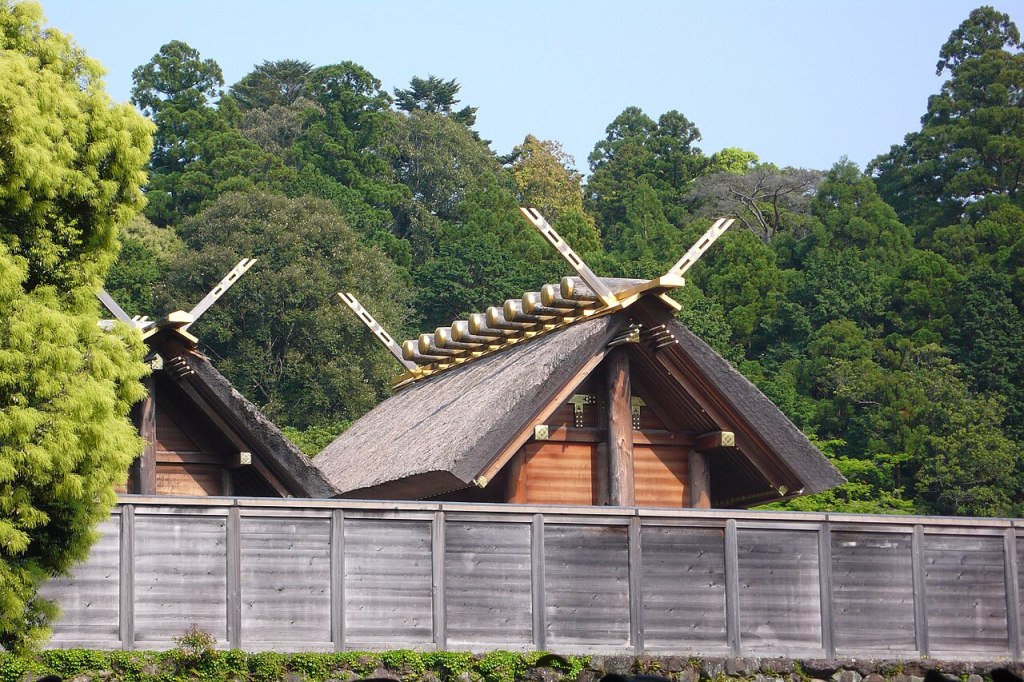
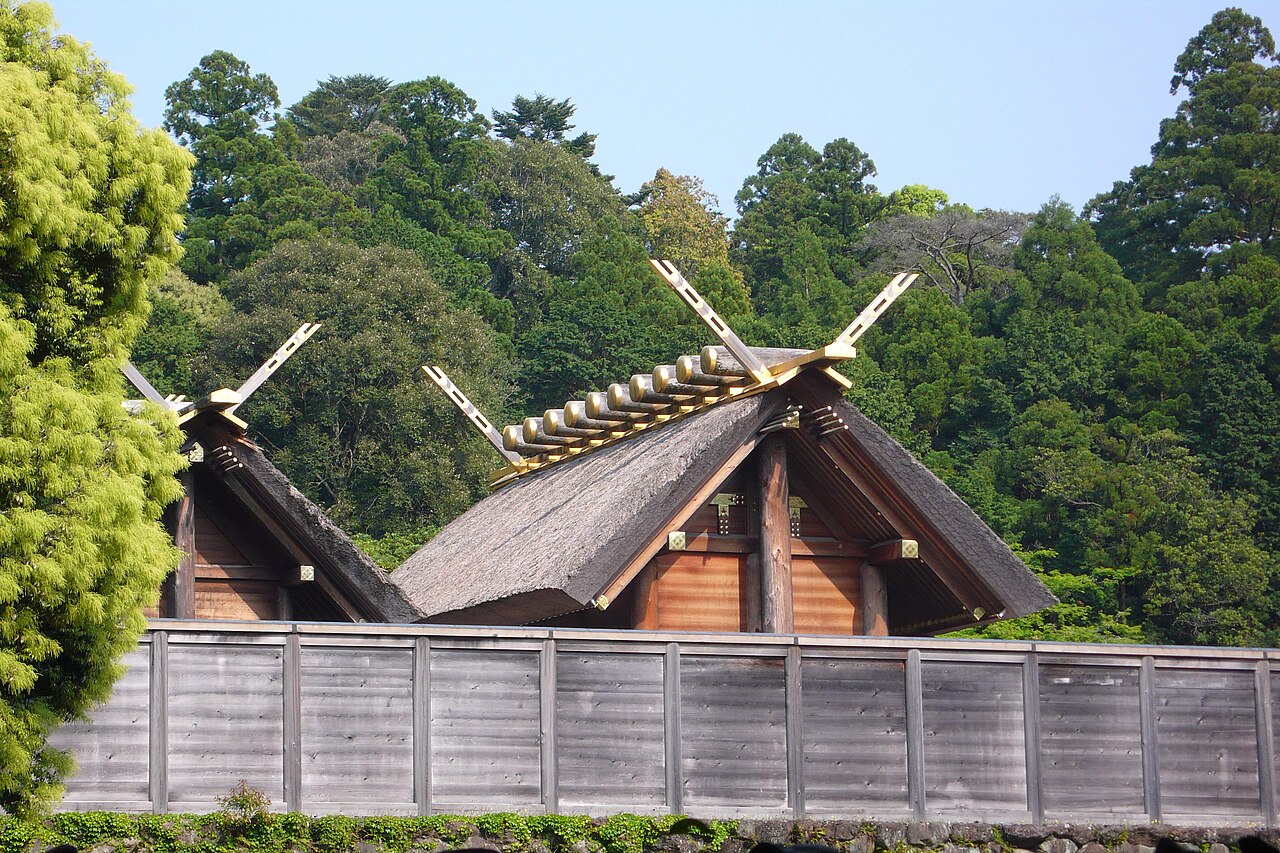
The sanctuaries are built in the yuiitsu-shinmei-zukuri style, permitted to Ise alone. Three things to look for: unpainted hinoki cypress, a thatched roof, and the crossed chigi (roof finials) and rows of katsuogi (short logs) along the ridge. The form is said to derive from ancient raised-floor rice granaries.
Here the sacred is found not in ornament but in simplicity and antiquity. Look up with that in mind, and the plain lines of the roof suddenly feel beautiful. Notice, too, the grain of the white wood and the gleaming gold fittings.
Shikinen Sengu: reborn every 20 years
Ise’s defining feature is the Shikinen Sengu. Once every 20 years, the sanctuaries, the Uji Bridge, and some 1,600 sacred garments and treasures are all remade anew. An identical sanctuary is built on the adjacent plot, the deity is moved, and the old sanctuary is dismantled.
At its root is the idea of tokowaka, keeping eternal freshness through continual rebuilding. It is also a system that passes carpentry skills to the next generation every 20 years. To protect something not by preserving it but by rebuilding it: here is a very Japanese wisdom of continuity.
The system is said to have been established by Emperor Tenmu in the 7th century, and the first rebuild carried out in 690 by his consort, Empress Jito. It has continued for more than 1,300 years; the most recent, in 2013, was the 62nd. The next, the 63rd, comes in 2033.
The joys of a visit: goshuin and Okage Mairi
For a keepsake, collect a goshuin (a shrine’s ink-and-seal stamp). At Ise you can receive them at seven places, including both the Inner and Outer shrines; visiting Geku then Naiku makes them easy to gather. Ise’s simple, powerful goshuin make a fine memory.
Ise pilgrimage has a long history. In the Edo period, mass pilgrimages called Okage Mairi swept the country every few decades, drawing millions from across Japan, with servants reportedly slipping away without their masters’ leave. The longing to visit Ise once in a lifetime is a distant ancestor of today’s pilgrimages. Your visit, too, continues that long line.
Gate-town food: Oharaimachi and Okage Yokocho
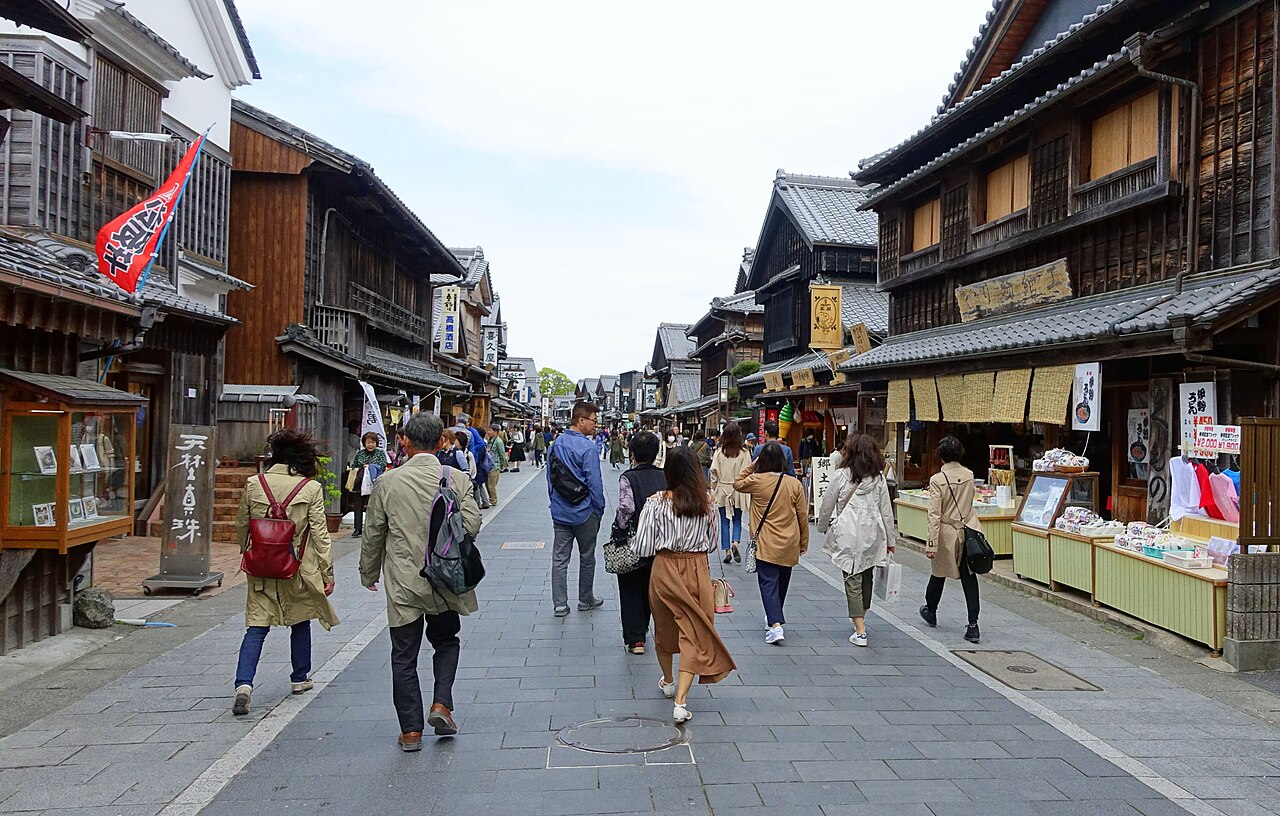
The reward after worship is Oharaimachi and Okage Yokocho, spreading out at the Naiku’s entrance. Along the Isuzu River, this roughly 800-meter stone-paved street recreates townscapes from the Edo and Meiji eras, perfect for strolling and snacking.
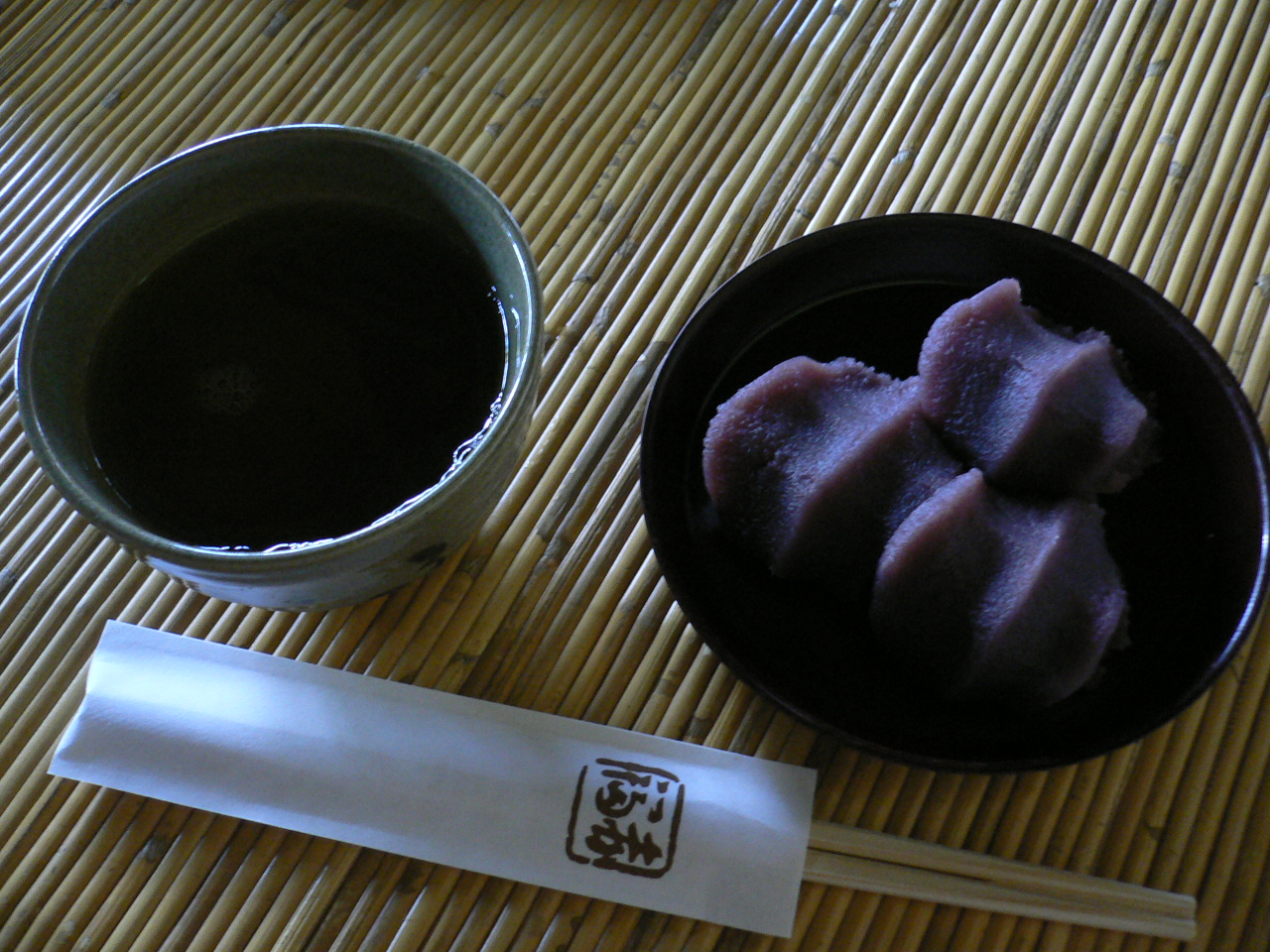
Akafuku is Ise’s signature sweet: a soft rice cake wrapped in smooth red bean paste. The famous Akafuku main shop opens at 5 a.m., the same hour as the Naiku, so stop in with hot tea on your way back from an early-morning visit.
Ise udon is a bowl found only here: thick, soft noodles coated in a dark tamari-soy sauce. It tastes gentler than it looks. Tekone-zushi, a local dish, has its origins in a fisherman’s meal, bonito marinated in soy sauce and mixed by hand with vinegared rice. Filling and satisfying, be sure to try all three at the gate town.
Practical visitor information
By old custom, visit Geku first, then Naiku. Early morning is best: the Naiku opens at 5 a.m., and in the quiet hours you can have the forest’s stillness almost to yourself (Akafuku opens at 5 a.m. too). Photographers should aim for the Uji Bridge sunrise from late November to late January (around the winter solstice). Allow at least half a day to see both shrines and enjoy the food. Entry is free. Check official information for exact hours and access before you travel.
Route: Open the Geku → Naiku directions in Google Maps (about 6 km; a bus or taxi runs between the two shrines).
In closing
Ise’s appeal lies not in splendor but in a rare purity and freshness: the quiet forest, the clear river, and a sanctuary reborn every 20 years. Knowing a little about the deities and the Shikinen Sengu makes the plain wooden sanctuary and the giant cedar forest rise up as a living place carrying more than a thousand years of prayer. Walk the clear early-morning air, then taste Ise udon and akafuku by the gate; consider adding a day like this to your next trip. The next rebuild is 2033, and the rare chance to meet a brand-new sanctuary is drawing near.


_01.JPG)


コメントを残す