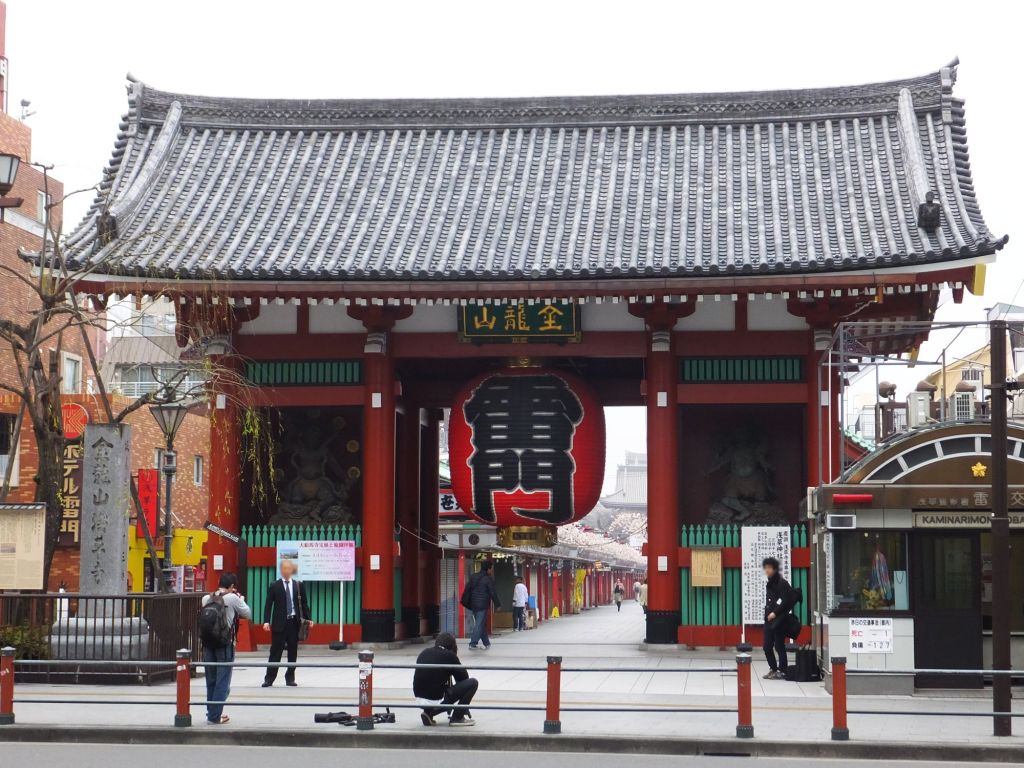
Pass beneath a gate hung with a giant red lantern and you enter a bustling street of food stalls, ending at the quiet, oldest temple in Tokyo. This is Senso-ji in Asakusa, one of Japan’s most-visited temples, drawing tens of millions of worshippers a year. This guide covers the classic sights — the Thunder Gate and Nakamise — plus the curious legend behind its Kannon, the famously “unlucky” fortunes, and the gate-town food to try afterward.
In this article
- Overview: Tokyo’s oldest temple
- Highlights and must-see points
- The deity: the hidden Kannon of mercy
- History: the 628 legend and rebirth from the ashes
- The joys of a visit: incense and omikuji fortunes
- Gate-town food: snacking on Nakamise
- Practical visitor information
- In closing
Overview: Tokyo’s oldest temple
Senso-ji, in Asakusa, Tokyo, is the city’s oldest temple, with some 1,400 years of history. Its principal image is Kannon (the Bodhisattva of compassion, believed to save people through mercy). Long loved as the “Asakusa Kannon,” it still draws an endless stream of visitors from Japan and abroad. In the heart of old-town Asakusa, rickshaws roll by, people stroll in kimono, and the Tokyo Skytree rises nearby — tradition and downtown bustle side by side.
Highlights and must-see points
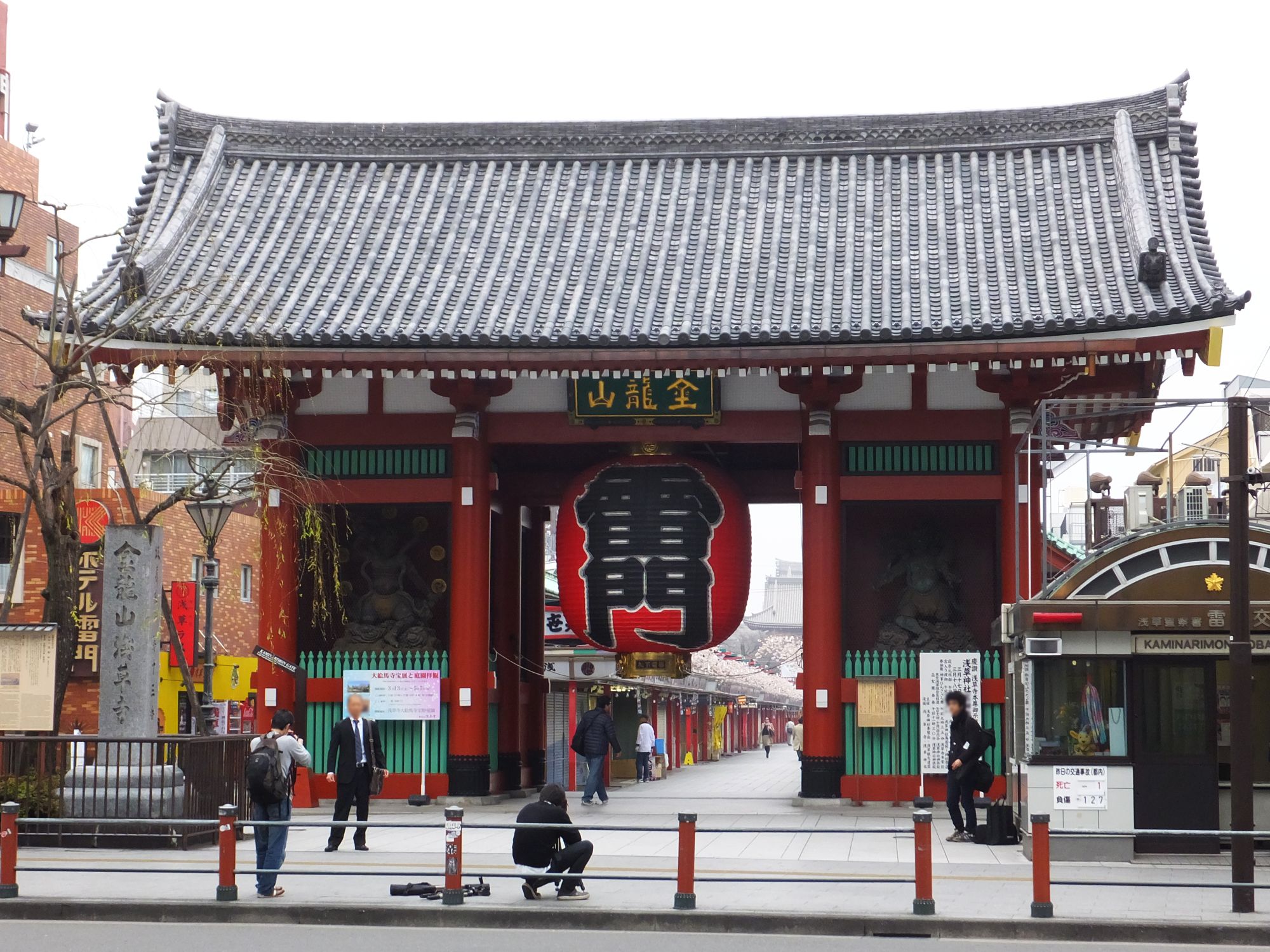
First to greet you is the Kaminarimon (Thunder Gate), where a giant red lantern about 4 meters tall and 700 kilograms hangs — the symbol of Asakusa and of Tokyo. Statues of the wind god and thunder god stand guard on either side. It’s the classic photo spot, so come early to beat the crowds.
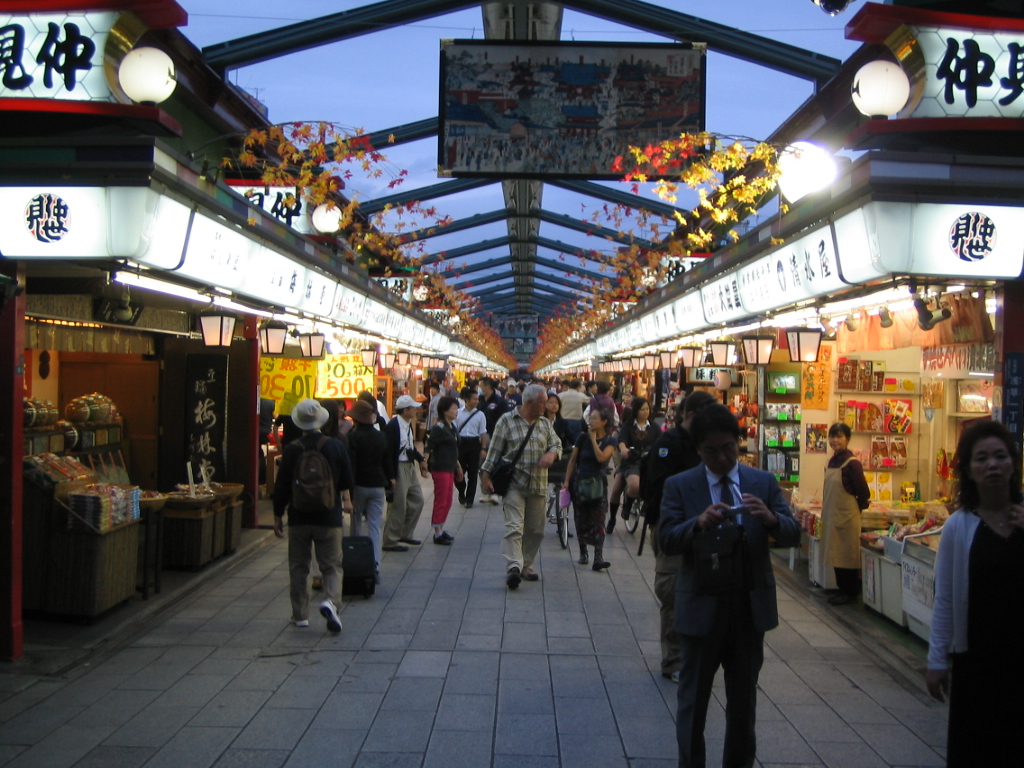
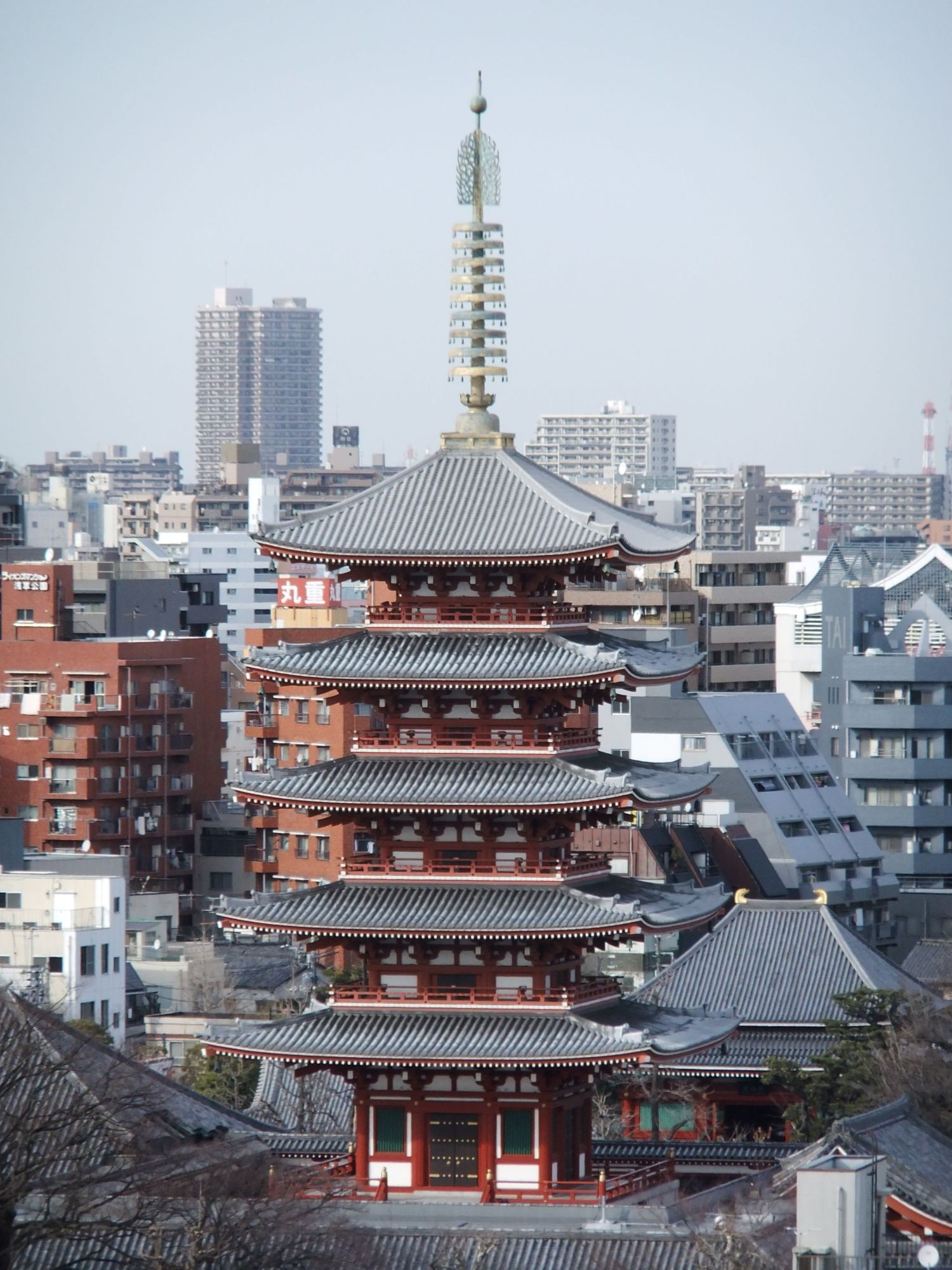
Through the gate, the roughly 250-meter Nakamise approach leads to the main hall, lined solid with souvenirs, sweets, and street-food stalls — one of Japan’s most famous shopping streets, some 400 years old. Beyond it stand a second grand gate, the Hozomon, a vermilion five-story pagoda, and the main hall (Kannon-do).
The deity: the hidden Kannon of mercy
The temple’s honzon (its principal object of worship) is Sho Kannon (the sacred form of the Bodhisattva of compassion), a buddha said to draw close to human suffering and bring relief. But this image is a hibutsu — a “hidden buddha” never shown to anyone. Knowing that an unseeable Kannon rests deep within the hall changes the way you press your hands together before it.
History: the 628 legend and rebirth from the ashes
A famous legend surrounds the temple’s beginnings. In 628, a small statue of Kannon caught in the net of two fishermen brothers on the Sumida River; each time they returned it to the water, it came back to them. Enshrining this Kannon is said to be the origin of Senso-ji, and a hall was raised in 645 — the reason it is called Tokyo’s oldest temple.
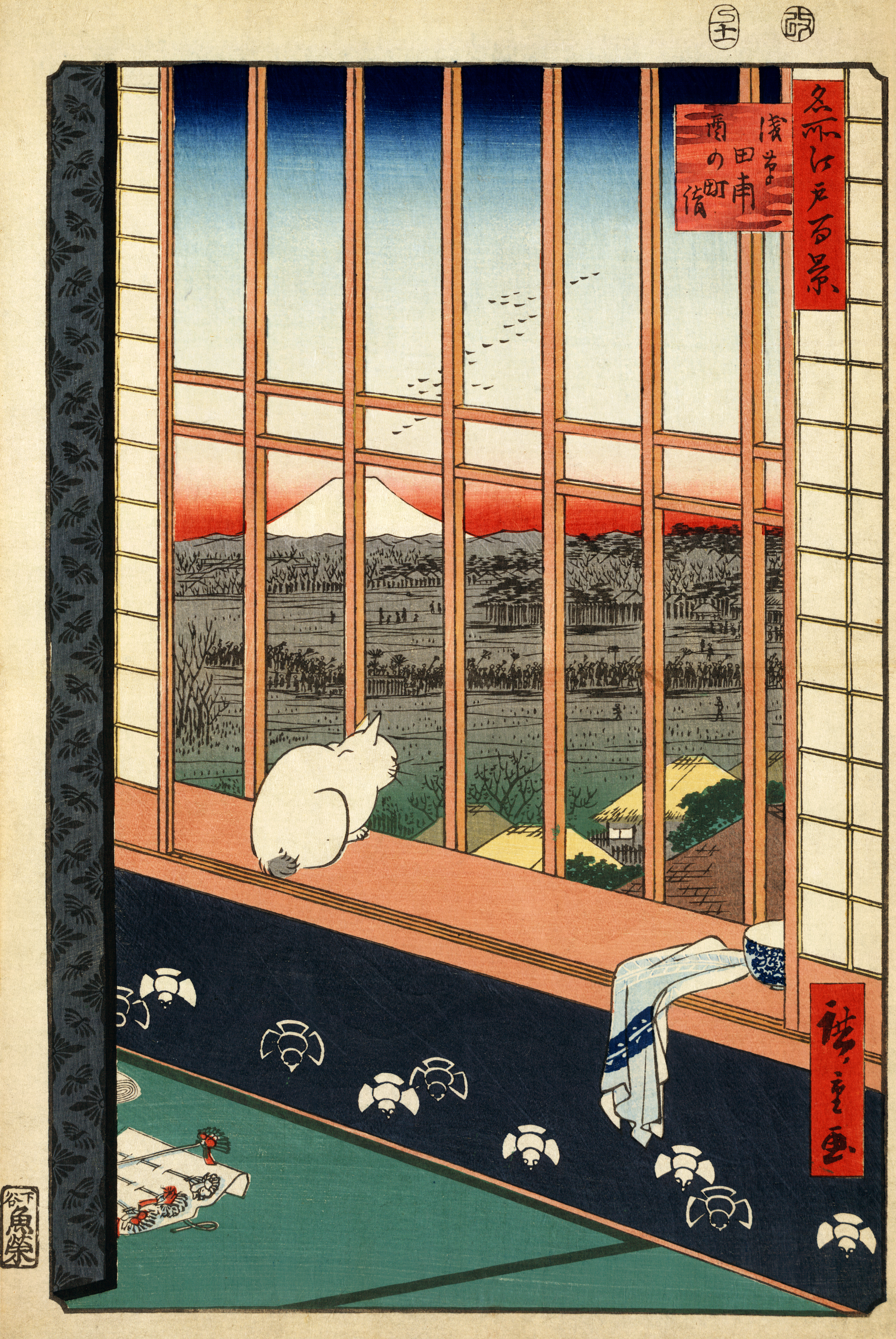
Senso-ji flourished as a center of faith and entertainment for ordinary people in the Edo period, but in the Tokyo air raid of March 1945, the main hall and many buildings burned down. The present main hall and pagoda were rebuilt in 1958 — so the vermilion halls before you are also a symbol of recovery from the ashes.
The joys of a visit: incense and omikuji fortunes
Before the main hall stands a great incense cauldron (jokoro) wreathed in smoke. Waft the smoke over an ailing part of your body and it is said to heal — many fan it over their head or shoulders, so try it too.
Another Senso-ji specialty is omikuji (paper fortune slips). Senso-ji is known for a high share of kyo (bad luck), because it still follows the old Kannon Hyakusen system: while many shrines have quietly reduced their bad fortunes, Senso-ji keeps the traditional ratio of about 30 kyo per 100 slips (roughly 30 percent).
Trivia — the fortune ranks and odds. Senso-ji’s fortunes run, from luckiest to least: Daikichi (great blessing) → Kichi → Hankichi → Suesho-kichi → Suekichi → Shokichi → Kyo (a warning). Anything with “kichi” is a form of good luck; the more “dai” (great), the stronger, while “sue” (later) means fortune that will open up in time. Kyo runs high at about 30 percent, yet the most common draw is actually kichi, not kyo — so don’t fear it too much. Ranks and ratios aren’t standardized nationwide and differ by temple and shrine.
And if you do draw kyo, no problem. It is read as a caution that improves with care and effort, and tying it at the designated spot leaves the bad luck behind. Don’t be discouraged — enjoy it as part of the trip.
Gate-town food: snacking on Nakamise
The best of a Senso-ji visit is snacking along Nakamise. Freshly baked ningyo-yaki (small sponge cakes filled with red bean paste), age-manju (deep-fried bean-paste buns), fragrant senbei rice crackers, sweet-potato treats — the downtown sweets and snacks are all here.
Snacking is fun, but on crowded Nakamise it can be hard to stop and eat, so enjoy your food at a shopfront or open space (that’s the local etiquette). Biting into something hot off the grill where you bought it is a distinctly Asakusa experience.
Practical visitor information
Access is easy: a few minutes’ walk from Asakusa Station on the Tokyo Metro Ginza Line, Toei Asakusa Line, and Tobu Skytree Line. The grounds and worship are free, and the main hall is open from early morning to around 5 p.m. (roughly 6:00–17:00). The best times are early morning, with few people, or evening, when the buildings are beautifully lit; daytime is very crowded. Pair it with the nearby Tokyo Skytree and Sumida River for a half- to full-day outing. Check official information before you go.
In closing
Senso-ji is more than a famous sightseeing temple. It began with a Kannon that appeared from the river 1,400 years ago, was loved by the common people of Edo, and rose again from the ashes of war — a place that carries a long story. Pass through the Thunder Gate knowing this, and the giant lantern, the bustle of Nakamise, and the smoke before the main hall all look a little different. Press your hands together before Kannon in the quiet early morning, then bite into a ningyo-yaki on Nakamise. Consider adding a day in Asakusa like this to your next Tokyo trip.


コメントを残す