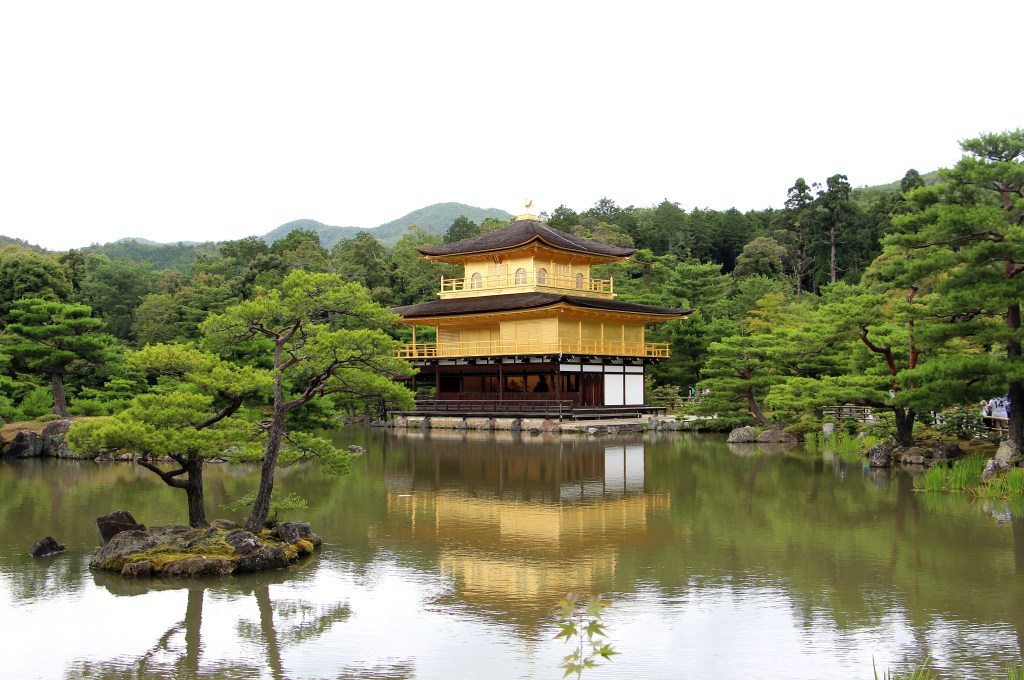
By the edge of a mirror-like pond stands a three-story building sheathed head to toe in gold — the view you’ve surely seen in photos. This is Kinkaku-ji in Kyoto. Officially Rokuon-ji, it’s known by the name of its dazzling Golden Pavilion (Kinkaku). A UNESCO World Heritage Site and one of Kyoto’s most popular sights, this guide covers the pavilion and its inverted reflection, the curious three-in-one architecture, and its surprising history.
In this article
- Overview: Kyoto’s golden temple
- Highlights and must-see points
- Enjoying the architecture: three styles in one
- History: from a shogun’s villa to fire and rebirth
- The joys of a visit: best seasons and gold-leaf sweets
- Practical visitor information
- In closing
Overview: Kyoto’s golden temple
Kinkaku-ji, in northern Kyoto, is a Zen temple registered as a UNESCO World Heritage Site (Historic Monuments of Ancient Kyoto) in 1994. Its great sight is the shining three-story pavilion, the Kinkaku (Golden Pavilion) — one of Japan’s most photographed buildings. Its upper two floors are densely covered in real gold leaf; on a sunny day it blazes in the light and its image reflects in the pond before it — this contrast is Kinkaku-ji at its best.
Highlights and must-see points
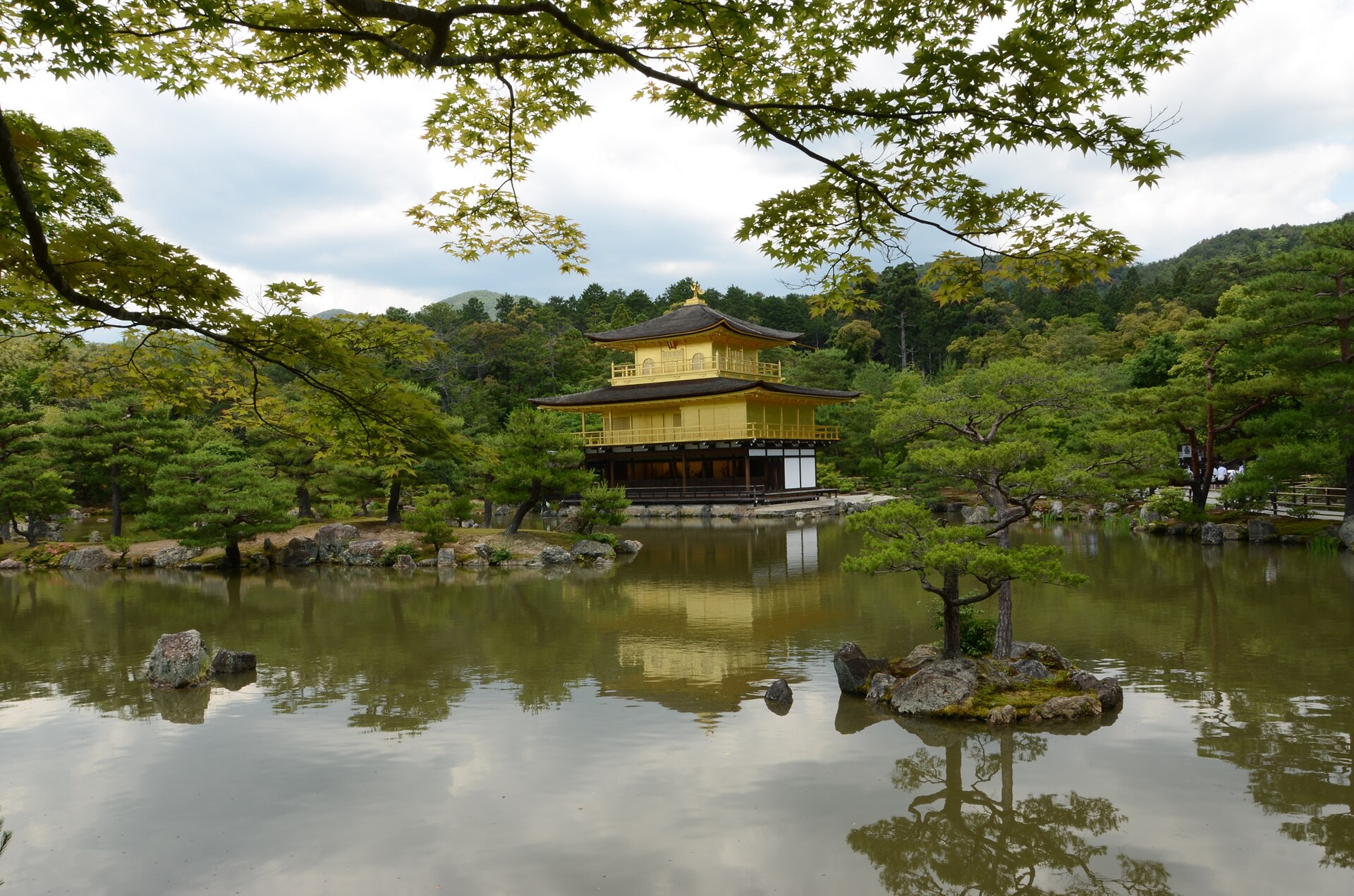
The main sight is, of course, the pavilion itself. And don’t forget the pond before it, the Kyoko-chi (Mirror Pond). True to its name, on windless days its surface becomes a mirror and shows the “inverted Golden Pavilion” — a second pavilion floating on the water. This symmetrical view is unmissable for photographers.
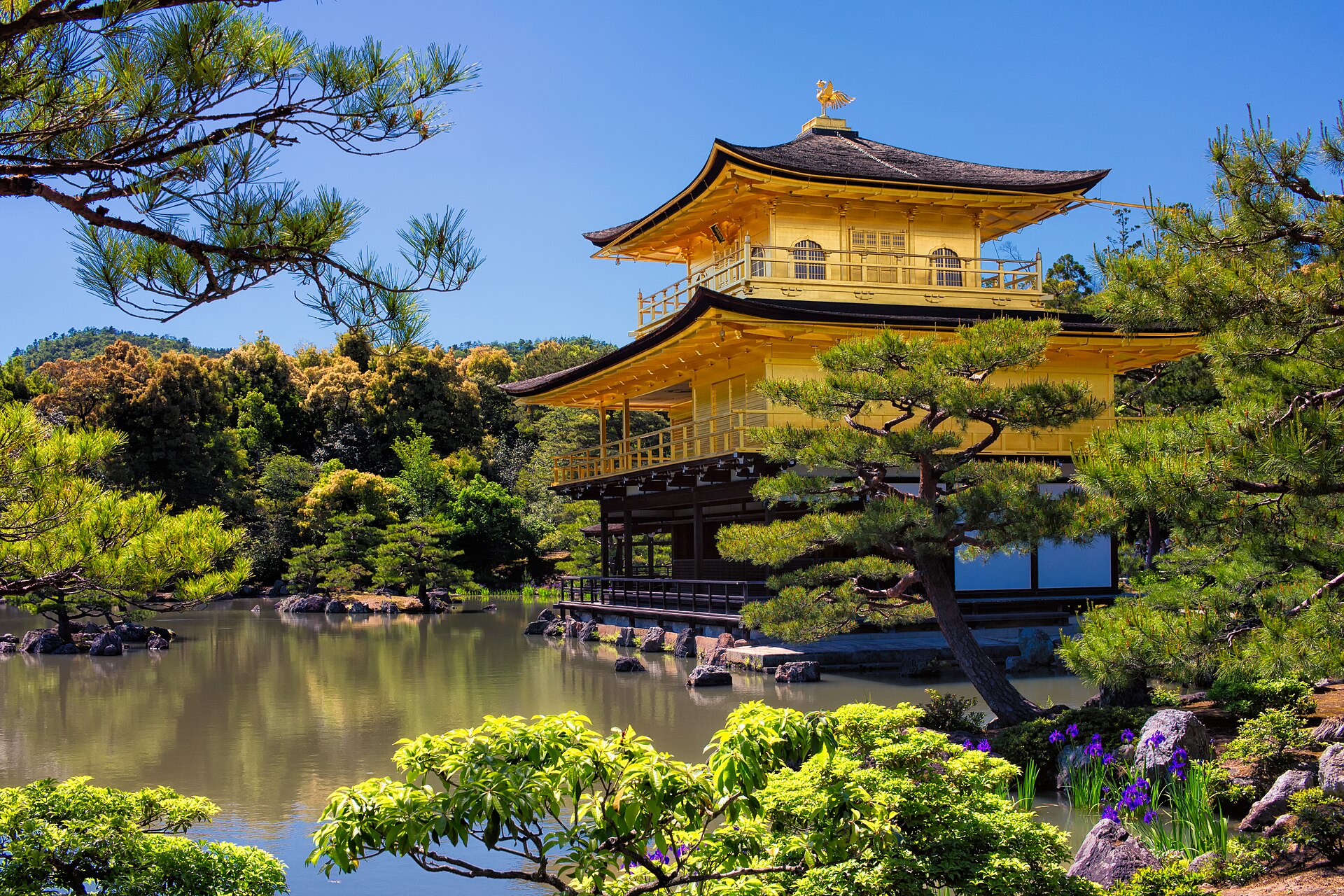
Look, too, at the golden phoenix (ho-o, a legendary Chinese bird) atop the roof. Kinkaku-ji follows a set one-way garden path, letting you view the pavilion from many angles.
Enjoying the architecture: three styles in one
The pavilion is not merely golden. Remarkably, its three floors are each built in a different architectural style.
Trivia — a different “culture” on each floor. The first floor is shinden-zukuri, modeled on Heian-era aristocratic mansions. The second is the style of samurai (shogun) residences. The third is the style of a Zen hall — and it, along with the second floor, is covered in gold leaf. Aristocrat, warrior, and Zen — three cultures that colored their ages, stacked in one building. It is said to symbolize the “Kitayama culture” that flourished under the shogun who built it. Knowing this, the differences between the floors become fascinating to spot.
History: from a shogun’s villa to fire and rebirth
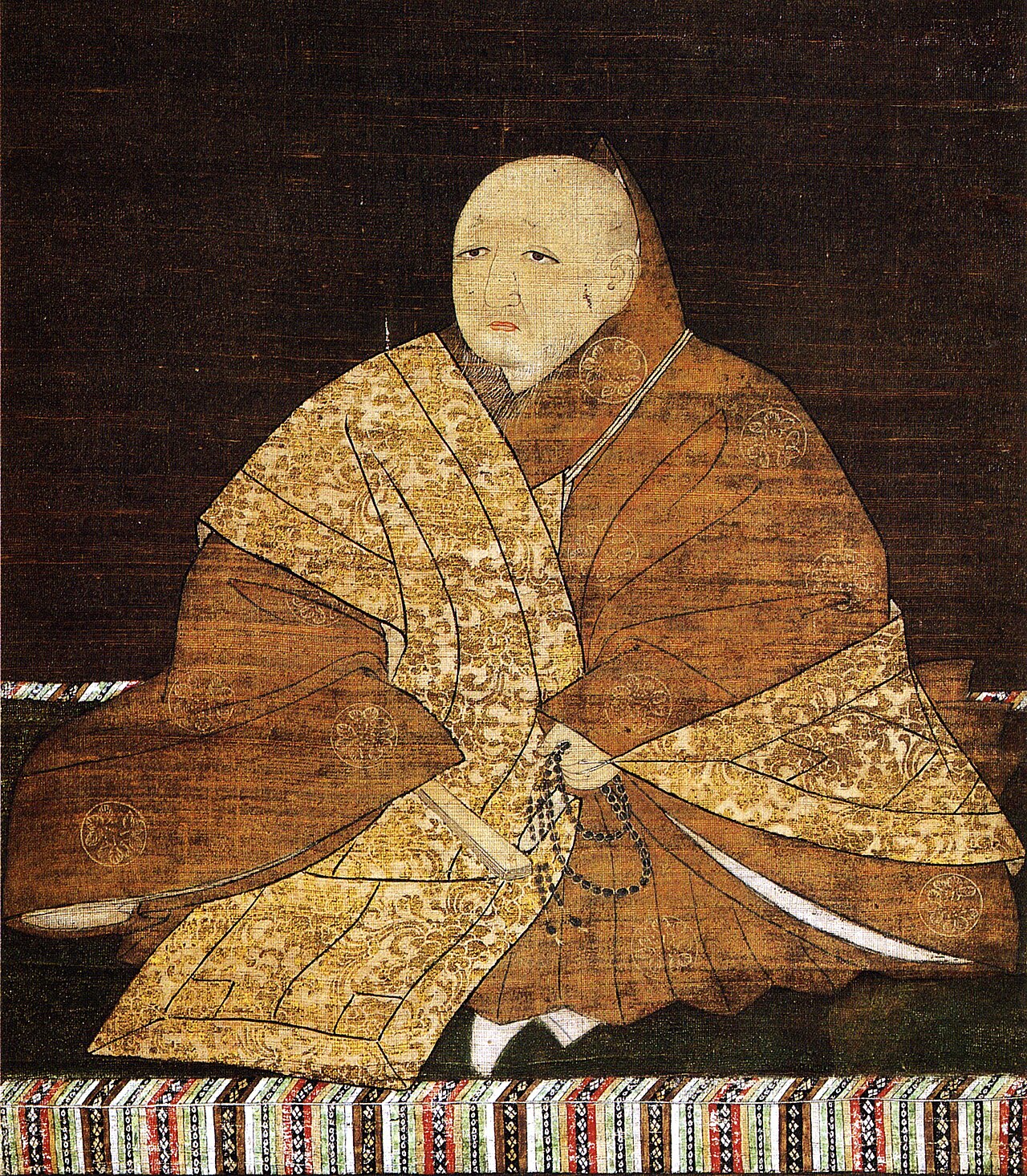
The Kinkaku was originally a luxurious retirement villa built in 1397 by the Muromachi-period shogun Ashikaga Yoshimitsu, who wielded immense power and wealth and had it built as a display of his glory. After his death, by his will, the villa was converted into a Zen temple and has been handed down ever since.
Here many are surprised to learn that the present pavilion is relatively new. In 1950, a young monk set fire to it and the Kinkaku burned to the ground (the incident inspired a famous novel by Yukio Mishima). The current pavilion is a faithful 1955 reconstruction, and a major 1987 restoration re-applied even more gold leaf than the original, making it shine brighter still. The dazzling pavilion before you is also a form reborn from tragedy.
The joys of a visit: best seasons and gold-leaf sweets
The Kinkaku is beautiful year-round, but special in snow. A “snow-capped Golden Pavilion” is a rare sight, and when snow falls many people rush over with cameras. The autumn leaves (November) also pair superbly with the pavilion and garden. On a clear morning, the pavilion shines brightest in the light. After your visit, try a soft-serve ice cream dressed with gold leaf or matcha sweets near the approach — a fittingly glittering treat and a nice memory.
Practical visitor information
There’s an admission fee (a few hundred yen); the ticket, shaped like a paper talisman (ofuda), is a small novelty. For access, take a city bus from Kyoto Station (about 40 minutes) and get off at a stop such as Kinkakuji-michi. The grounds follow a set path, taking about 30–60 minutes. Early morning is best — relatively uncrowded, with the pavilion beautifully lit. Check official information for hours before you go.
In closing
Kinkaku-ji’s appeal is not merely that it glitters. Born of a shogun’s glory, layering the three cultures of aristocrat, warrior, and Zen in one building, and reborn from a tragic fire — such a story lies behind that shine. Knowing the three styles and the inverted reflection, a mere “golden building” rises up as a crystallization of Japanese history and aesthetics. In the light of a clear morning, go meet the golden pavilion by the Mirror Pond — consider adding a morning like this to your next Kyoto trip.


.jpg)
,_Kyoto,_Japan_-_34036736784.jpg)
.jpeg)
コメントを残す